The Night the Bear Came to Visit
“What’s that rattle?”
It’s 10 p.m. The kind of deep silence that only country nights know — except for the wind that lives in our rafters. Our home is literally drilled into rock, and when the wind howls, our bedroom doors rattle. But tonight, the air is still.
Hubby peers out the window. “Babes, did you leave a window open?”
“No.”
We hear another rattle, this time from behind the neighbour’s truck. Their motion-sensor light flickers on. A garbage bin rocks back and forth.
“It must be the wind.”
“Ya, but it’s not windy tonight.”
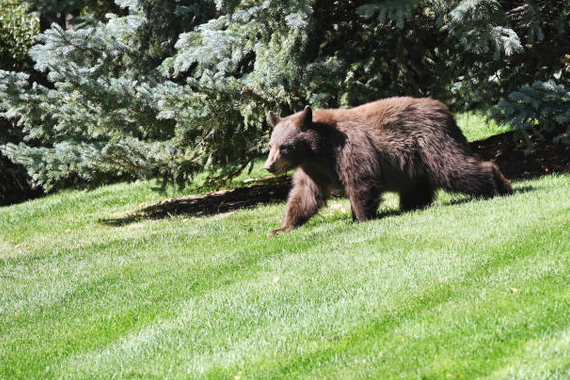
Then I see it — the unmistakable dark shape moving slowly in the moonlight.
“Blow me down, it’s a bear! It’s a bear!”
Cue chaos. Camera flying, lights flashing, adrenaline surging — that strange dance of excitement and fear.
It’s not unusual for bears to wander through neighbourhoods on Vancouver Island, but as a lifelong city girl, this was my first real encounter. We’d heard rumours of a bear living in the nearby forest, but neither of our neighbours had seen it yet.
And now, here it was — strolling into our garden as if it owned the place, sniffing curiously at my Tesla, pausing by the garbage bin, entirely unbothered by our panic.
“ A bear! In our garden!”
Within minutes, I was down a rabbit hole of Google searches: bear safety, bear spray, bear habits, bear sightings, bear WhatsApp group with the neighbours.
Garbage day was tomorrow. Did the bear make its rounds the night before garbage pickup?
From Backyard Bears to Bear Tours
That night reminded me of another animal encounter years ago — my gorilla trek in Uganda’s Bwindi Impenetrable Forest. In 2008, I’d paid a small fortune to hike for hours through dense jungle, slowed by an eighty-year-old man who eventually had to be carried out on a stretcher. When we returned, two German birdwatchers who’d stayed behind told us, beaming, that a family of gorillas had wandered right past their lunch table. Backyard gorillas.
And now, here I was — years later — spotting my first backyard black bear.
Still, I couldn’t resist wondering: should I join a bear-watching tour?
Bear Tours on Vancouver Island
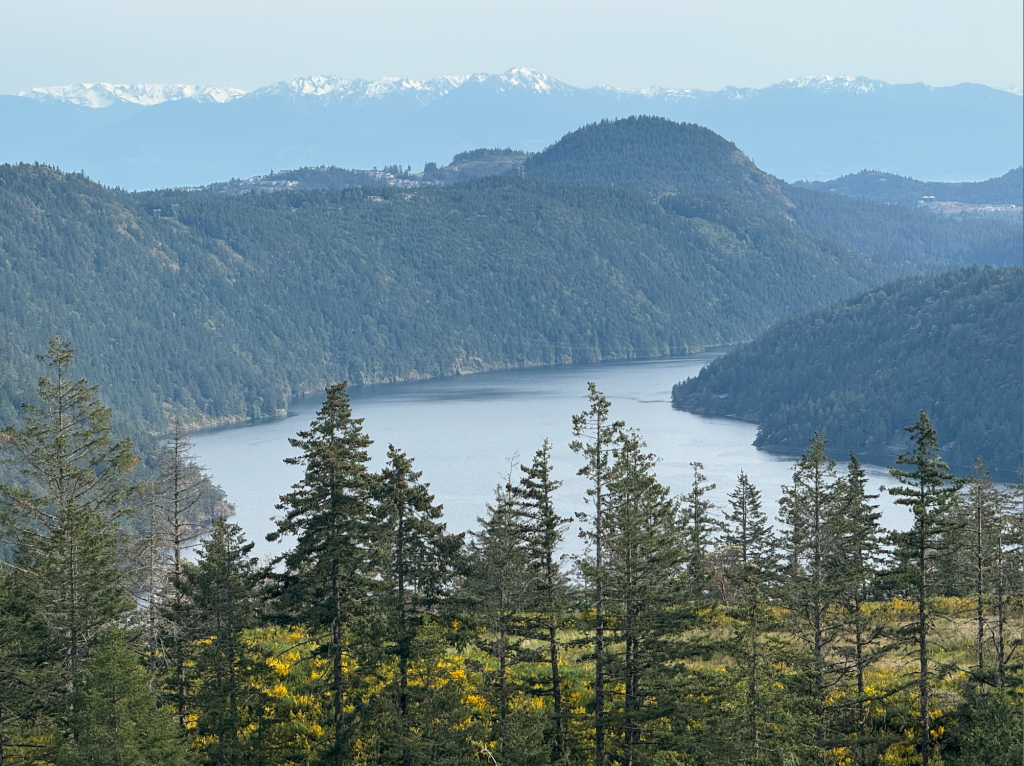
Vancouver Island is one of the best places in Canada to see black bears in their natural habitat. These intelligent, curious, and surprisingly graceful creatures are part of the island’s rhythm. From spring through fall, they forage along shorelines, overturning rocks to find crabs and clams, or wander the salmon-filled rivers in autumn.
According to Vancouver Island North Tourism, black bears are a “remarkable roadside attraction” along Highway 19 during the spring and summer. In the fall, they can often be seen fishing for salmon in rivers around Port McNeill, Telegraph Cove, and Campbell River.
If you’re longing for a deeper, more immersive experience, guided bear-watching tours offer unforgettable encounters with expert naturalists who understand the bears’ habits and respect their territory.
Here are a few ways to experience it:
🐾 1. Tofino & Clayoquot Sound: Black Bear Boat Tours
In Tofino, the tide dictates the rhythm of life — and of bear watching. At low tide, black bears emerge from the rainforest to forage along the rocky shores. Tours like those run by the Tofino Whale Centre or Jamie’s Whaling Station take you by boat through the sheltered inlets behind Meares Island, where you can quietly observe bears flipping rocks in search of shellfish.
It’s peaceful, raw, and deeply humbling. There’s no fence, no stage — just the wild, doing what it does best.
Best time to go: April – October
What to bring: Camera, binoculars, layers, and a sense of awe.
🐾 2. Campbell River & Bute Inlet: Gateway to Grizzly Country
While grizzly bears aren’t native to Vancouver Island itself, you can take day tours from Campbell River or Telegraph Cove to the Great Bear Rainforest on the mainland — one of the last remaining temperate rainforests on Earth.
Imagine flying by floatplane or cruising by boat through emerald fjords to secluded estuaries where grizzlies feed on salmon. Companies like Discovery Marine Safaris and Aboriginal Journeys operate these excursions from May to October.
Pro tip: The bears are most active during salmon season (August – October), when they gather near river mouths.
🐾 3. Port Hardy & Telegraph Cove: North Island Wilds
Up north, the wilderness feels untouched — remote and breathtaking. Here, black bears roam freely near rivers and beaches, and the occasional grizzly crosses over from the mainland. From Port Hardy or Telegraph Cove, you can embark on guided safaris that combine bear watching with whale spotting — a truly West Coast experience.
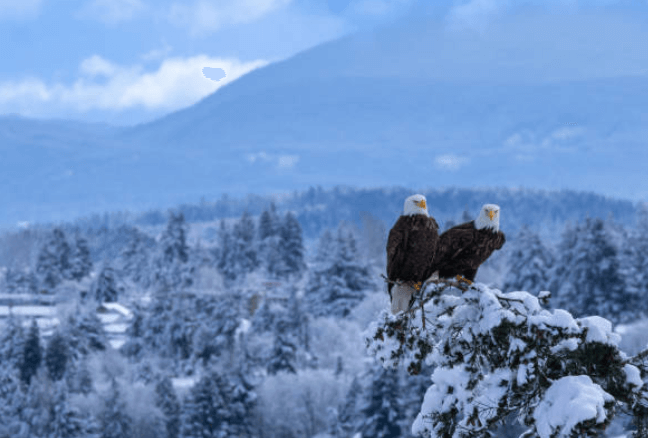
Highlight: Seeing a bear at dawn, mist curling over the estuary, bald eagles overhead.
Living Among the Wild
Since that night, the bear hasn’t returned — at least not that we’ve seen. But the awareness of its presence changed something in me.
When I go for walks now, I notice claw marks on tree trunks, scat along the trail, paw prints in the mud. The forest speaks — if you know how to listen.
I’ve learned that bears aren’t to be feared so much as respected. They’re part of the ecosystem that sustains us all. On Vancouver Island, locals have a quiet reverence for them. We secure our garbage, bring in bird feeders during bear season, and keep a respectful distance.
Bears, like all wild things, remind us of our place in the larger story of nature — small, temporary, interconnected.
Reflections from the Wild
That night in our garden, camera shaking in my hands, I felt both exhilarated and grounded. It reminded me of that younger version of myself, standing on a houseboat in Kashmir or trekking through Ugandan jungle — searching for meaning in far-off lands.
But maybe meaning isn’t something we have to chase. Maybe it shows up right in our backyard — in the quiet moments, in the wild visitors who remind us that we are part of something much bigger.
So yes, my friend was partly right — Vancouver Island might not have the “buzz” of the city. But it has something far richer: stillness, soul, and the heartbeat of the forest.
And sometimes, if you’re lucky, it also has bears in the garden.