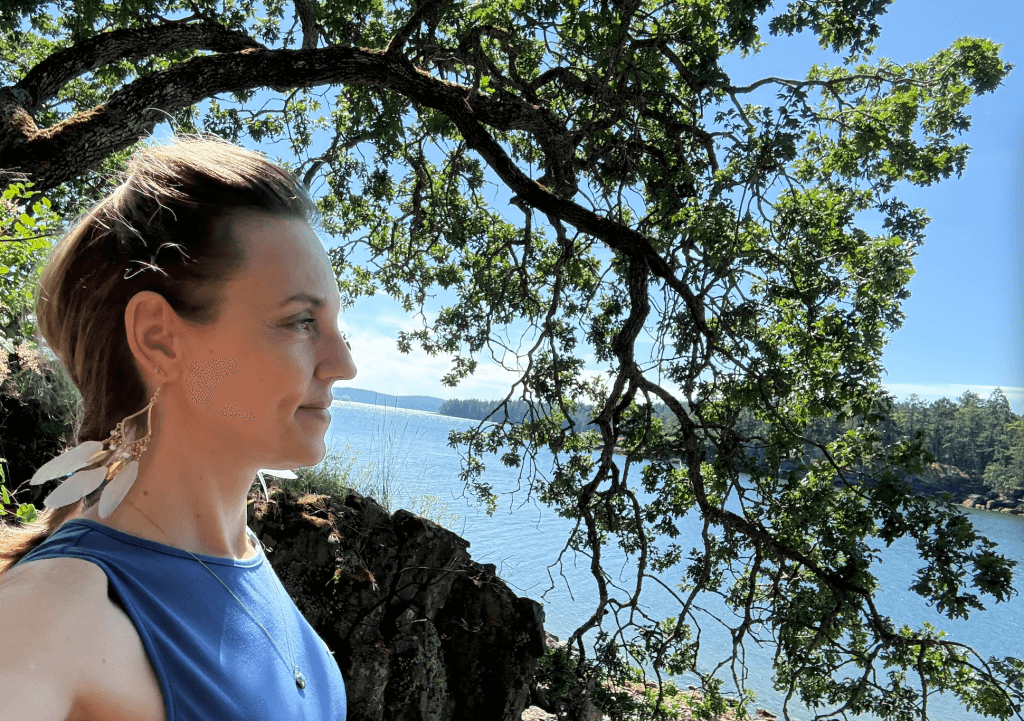
There are moments in life that quietly change the course of who we become as leaders. For me, that moment came through my brother’s journey with schizophrenia — and the years that followed. His story shaped the heart of my leadership philosophy more than any book, business course, or professional experience ever could. It taught me that real leadership doesn’t begin in the boardroom. It begins in the heart.
The Human Side of Leadership
In the wellness and spa industry, we often talk about leadership in terms of systems — operations, performance, profitability. And while these things are important, I’ve come to see leadership as something much deeper. It’s a form of stewardship — caring for others, for the environment we create, and for the unseen energies that connect us.
When my brother struggled with mental illness, I learned firsthand how fragile and powerful the human spirit can be. I saw how easily people can become isolated when their stories don’t fit into society’s expectations. And I witnessed the quiet heroism of simply showing up — with kindness, with patience, and with love — even when there were no easy answers.
This is where heart-centered leadership is born. It’s in the spaces where we choose empathy over ego, and community over competition.
Learning to Lead with Empathy
There was a time when I believed that leadership meant holding it all together — always being strong, always knowing what to do next. But loss, grief, and healing have a way of teaching us something softer and truer.
When my brother passed away, I felt an ache that words can’t quite capture. But that loss also opened something sacred within me: an awareness of how much we all need understanding. In those moments of vulnerability, I realized that leadership isn’t about perfection. It’s about presence.
As I built my spa business, led teams, and later mentored others in leadership, I carried those lessons forward. When someone on my team was struggling, I learned to pause before reacting — to listen without trying to fix. When tensions arose, I remembered the importance of compassion as a stabilizing force. And when we celebrated victories, I made sure the focus was always on shared growth, not individual success.
Empathy became the foundation of my leadership style — not as a weakness, but as a quiet strength that builds trust and belonging.
The Bridge Between Mental Health and Leadership
We can’t talk about leadership without talking about mental health. Every workplace is a living ecosystem of human emotions, stories, and struggles. When we create environments that honor mental wellness, we lead in a way that uplifts not just productivity, but people.
Throughout my journey, I’ve seen how open conversations about mental health transform teams. When leaders share authentically — acknowledging their own challenges and modeling vulnerability — it creates a ripple effect. It gives others permission to be honest, to ask for help, and to feel supported.
That’s what conscious leadership truly means: not avoiding discomfort, but walking through it together.
In my brother’s memory, I’ve carried forward a commitment to community healing — from volunteering locally, to weaving mental wellness awareness into my retreats and coaching work. His story reminds me daily that healing isn’t linear, and leadership isn’t about control. It’s about cultivating spaces where people can find safety, connection, and courage to grow.
Finding Healing in Community
After years in leadership roles within the spa and wellness industry, I began to see the same thread weaving through every successful business: community. Whether it was a spa team, a group of retreat participants, or a network of like-minded women, the magic always happened in connection.
Community heals what isolation breaks.
That’s why I began designing my retreats — not as escapes, but as homecomings. My Moonstone Sanctuary Vancouver Island Retreats are built around this idea of community healing. They’re intimate spaces for reflection, restoration, and reconnection — where we nurture body, mind, and spirit through nature, creativity, and soulful practices.
These retreats are where my background in counseling, yoga, and wellness leadership all come together. Guests often arrive feeling exhausted or disconnected, and leave with a renewed sense of clarity and purpose. I like to think that what they experience there isn’t just relaxation — it’s transformation through community, just as I found through my own healing journey.
Leadership Beyond the Boardroom
We often picture leaders as people standing at the front of a room, giving direction. But some of the most powerful leadership I’ve witnessed has been quiet and unspoken — a hand on a shoulder, a listening ear, a moment of grace extended at just the right time.
Leadership doesn’t live in boardrooms or titles; it lives in how we treat one another. It lives in community kitchens, in mental health support groups, in the way we show up for friends who are struggling. It’s present in the parents, teachers, caregivers, and healers who keep showing up, even when no one is watching.
That’s why my work now — through storytelling and Vancouver Island Retreats — is focused on redefining leadership for the wellness and spa industry. I want to help women lead with authenticity, emotional intelligence, and compassion. I want to show that business success and heart-centered service can coexist beautifully.
The Courage to Evolve
Courage has become a recurring theme in my life. It takes courage to face mental illness within a family. It takes courage to rebuild after loss. And it takes courage to lead with heart in a world that still often rewards hard edges.
But courage doesn’t always roar. Sometimes it’s the quiet voice that says, “I’ll try again tomorrow.”
Through my work, I hope to offer others that same encouragement — to remind them that leadership isn’t about having it all figured out. It’s about showing up, staying kind, and being willing to evolve.
As I continue this journey, I carry my brother’s memory with me. His story is my reminder that healing and leadership are deeply connected — both require love, resilience, and an open heart.