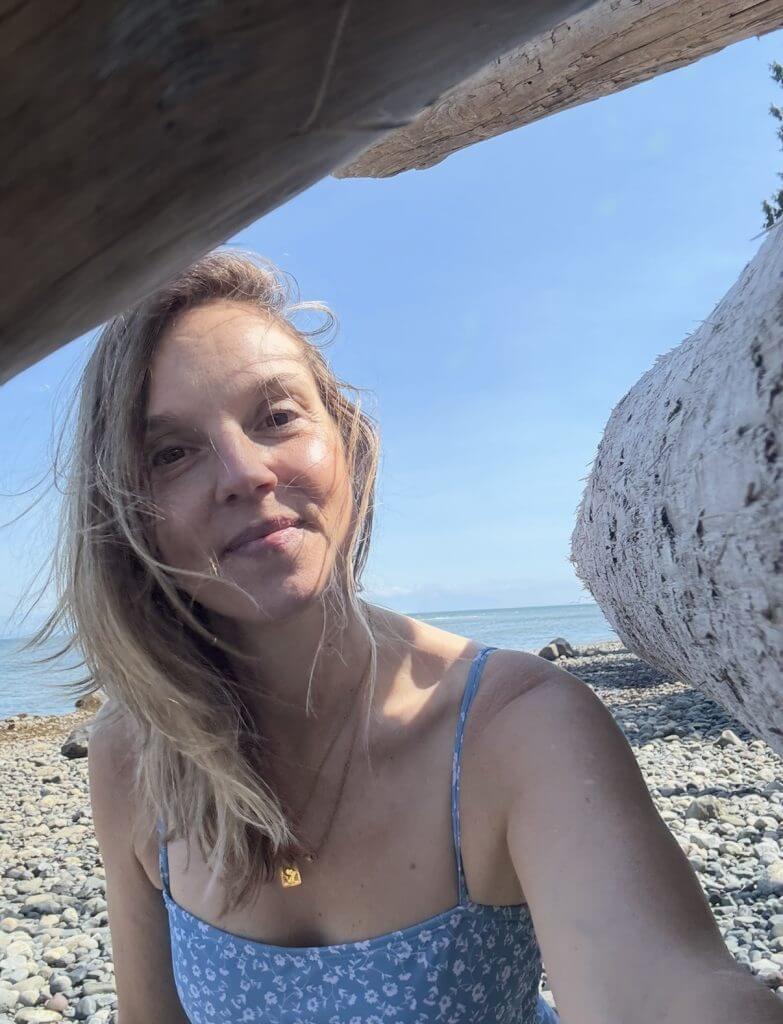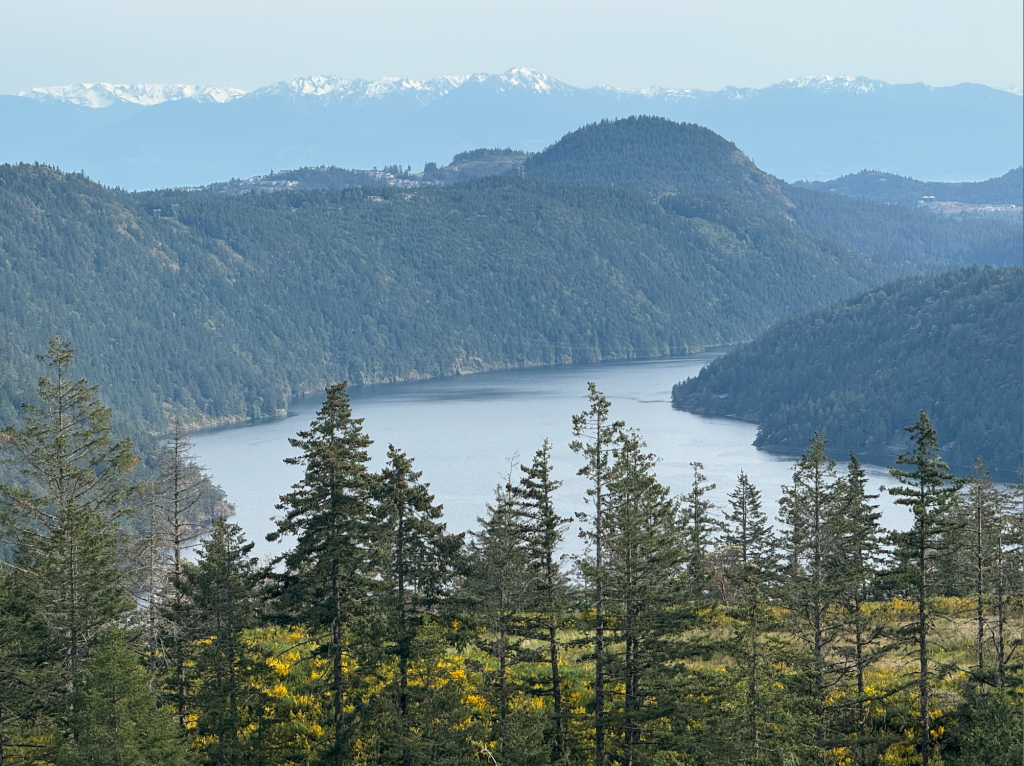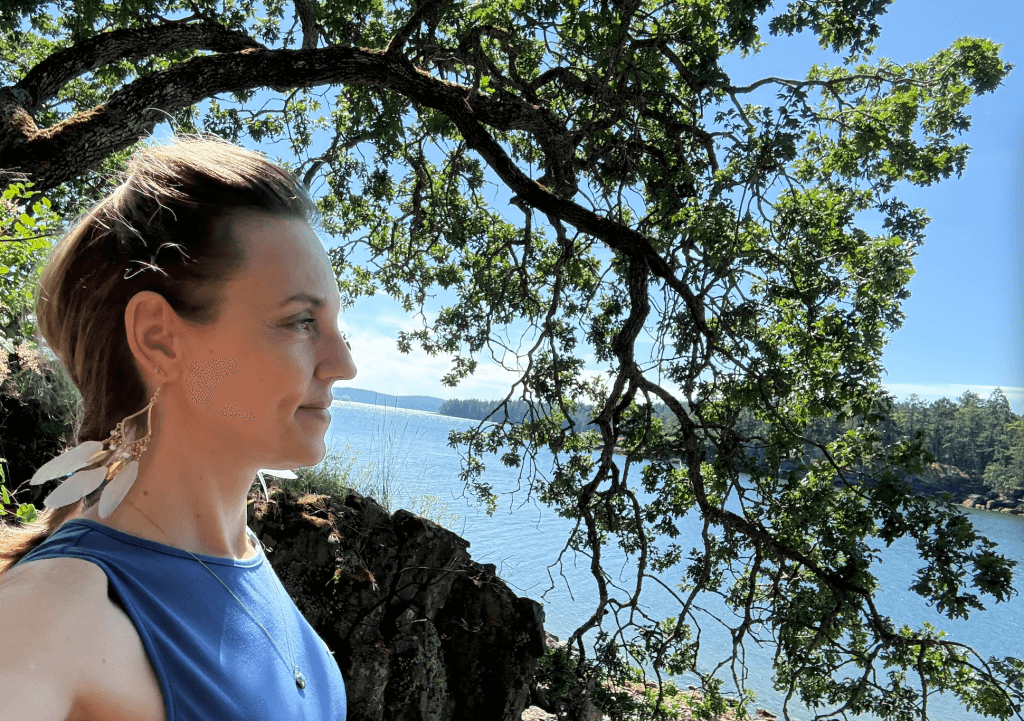
The morning fog drifts lazily over the forested hills of Vancouver Island, softening the edges of the towering Douglas firs and cedar trees. I step out onto the deck of my home, inhaling the crisp, salty air that drifts in from the ocean below. Here, high above the town of Nanaimo, life moves at a rhythm set by nature—the ebb and flow of tides, the whisper of wind through the trees, the gentle calls of distant seabirds. Living on Vancouver Island has taught me something that no seminar, book, or retreat ever could: life lived with heart requires both presence and action.
I’ve spent the last several years immersed in community work here, contributing through roles that connect wellness, human rights, and environmental consciousness. Vancouver Island is a place of beauty, yes—but it is also a place where disparities exist, where marginalized voices often go unheard, and where communities are striving for balance and compassion. Living with heart, I’ve discovered, is less about grand gestures and more about showing up consistently, mindfully, and with integrity.
The Heart of Community Work
Community work is often described in terms of tasks, programs, or interventions. But on Vancouver Island, I have learned that its essence is relational. It’s about the connections we build, the trust we nurture, and the small acts of kindness that ripple outward. In my work supporting people with disabilities, I’ve witnessed firsthand how empathy transforms not only individual lives but the broader community.
Each person I meet brings a unique story, perspective, and challenge. I’ve seen the courage it takes to navigate life with systemic barriers, health limitations, or social stigma. And in witnessing these journeys, I have been reminded that our greatest impact often comes not from fixing, but from listening. Listening with an open heart—and responding with genuine care—is the foundation of living fully engaged in community life.
Presence Over Performance
On Vancouver Island, where natural beauty can both soothe and overwhelm, I’ve realized that being present is more powerful than performing. It’s tempting, in a world that celebrates productivity, to equate action with effectiveness. Yet, some of the most transformative moments I’ve experienced in community work were quiet ones: sitting with a client as they shared a memory, accompanying someone to an appointment, or simply walking alongside a neighbor as we discussed life’s challenges.
Presence requires slowing down, noticing, and valuing the humanity in others. It also requires courage—the courage to set aside judgment, to hold space for discomfort, and to acknowledge our own vulnerabilities. Living with heart is not always easy; it asks us to confront inequities, witness suffering, and still choose compassion.
Learning from Diversity
Vancouver Island is a mosaic of communities—Indigenous nations, long-standing families, newcomers seeking refuge, artists, entrepreneurs, and environmental advocates. Each community brings lessons about resilience, creativity, and connection. My work has often intersected with Indigenous-led initiatives, and these experiences have profoundly shaped my understanding of respect, reciprocity, and stewardship.
One of the most powerful lessons has been the importance of listening to lived experience. In many settings, policies and procedures dominate the conversation, but true progress emerges when community voices lead the way. Indigenous teachings remind us that we belong to the land, that every action has a ripple effect, and that relationships—both with people and the environment—are sacred. Incorporating this wisdom into my work has deepened my sense of purpose and grounded my approach in humility and respect.
The Intersection of Wellness and Service
My journey into community work on Vancouver Island was informed by years in wellness and leadership. I’ve found that principles of holistic wellness—mindfulness, self-care, emotional intelligence, and empathy—translate seamlessly into community work. When we approach service from a place of wholeness, we bring authenticity, sustainability, and care to every interaction.
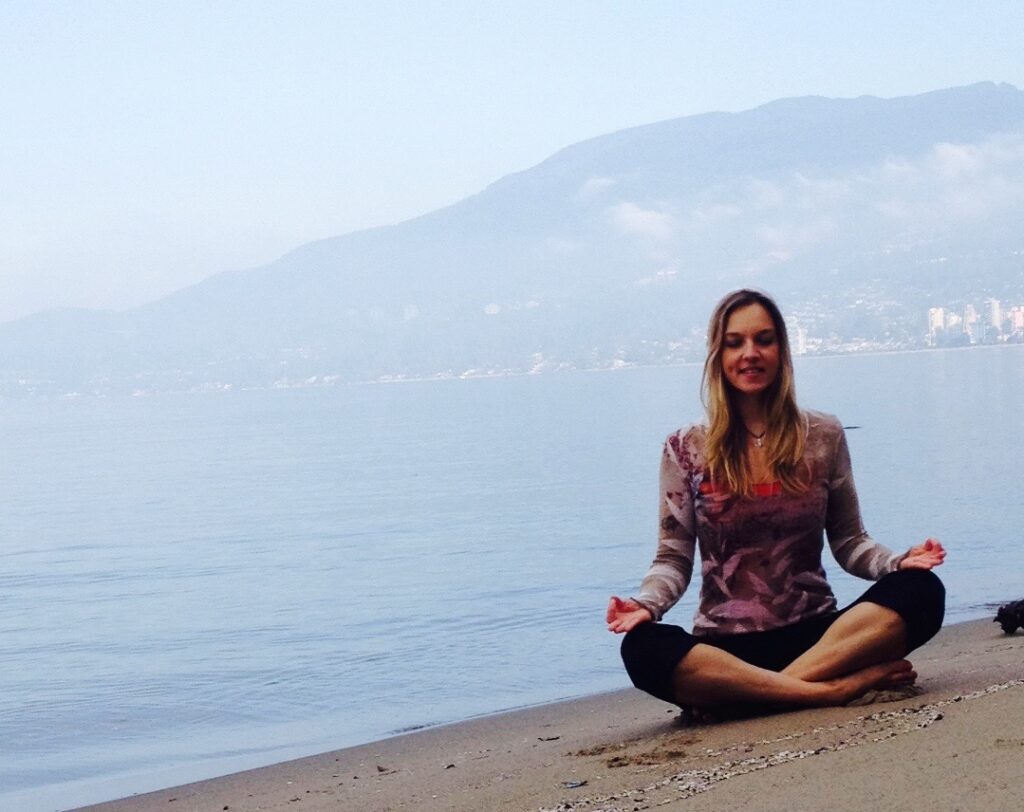
Yet, living with heart also requires balancing giving with receiving. It’s easy to become overwhelmed by the needs around us. Practicing self-care, setting boundaries, and acknowledging our own limitations are not acts of selfishness—they are essential to sustaining meaningful engagement. On Vancouver Island, the natural environment offers daily opportunities to restore this balance: a walk along a hidden beach, a sunrise over Mount Benson, or simply sitting under an old-growth cedar can rejuvenate the spirit and remind us why our work matters.
Everyday Acts of Compassion
Living with heart doesn’t always involve grand gestures. Often, it’s the small, consistent acts that leave the deepest imprint. Holding a door, sharing a meal, offering a listening ear, or advocating for someone’s needs—these acts are the threads that weave the fabric of a compassionate community.
In my experience, these small acts also foster reciprocal generosity. People respond in kind, creating networks of support that strengthen resilience and well-being. On Vancouver Island, I’ve seen neighbors rally around each other during forest fire threats, youth programs thrive because of volunteer mentorship, and community gardens flourish thanks to shared care. Each act, no matter how small, contributes to a culture of heart-centered living.
Challenges and Reflections
Living with heart is not without its challenges. Community work exposes us to systemic inequities, emotional fatigue, and moments of discouragement. I’ve faced times when progress feels slow, setbacks loom large, or resources are scarce. It is in these moments that the lessons of Vancouver Island’s natural landscape resonate: resilience grows slowly, weathering storms takes patience, and growth often occurs in quiet, unseen ways.
Reflection becomes a powerful tool. Journaling, walking, meditating, or simply pausing to breathe are ways to reconnect with purpose. Each challenge encountered in community work becomes an opportunity to deepen understanding, refine approach, and recommit to values of compassion and integrity.
The Role of Courage
Courage is a constant companion in work that asks us to live with heart. It takes courage to listen deeply, to stand up for what is right, and to act even when the outcome is uncertain. Courage is not the absence of fear—it is the willingness to engage with it. On Vancouver Island, where natural and social landscapes intertwine in complexity, courage manifests in advocating for inclusive services, challenging inequities, and daring to connect authentically with others.
This courage is contagious. By embodying it, we invite others to act with integrity, kindness, and intention. In my work, I’ve seen colleagues, clients, and neighbors inspired to take small, brave steps—volunteering, speaking out, or embracing new perspectives—simply because someone modeled heart-led living.
Community as a Mirror
One of the most profound insights I’ve gained is that community acts as a mirror. The energy, values, and compassion we bring outward return in reflection. Vancouver Island’s communities are generous, creative, and deeply resilient—but they also challenge us to confront our biases, expand empathy, and nurture connection.
Living with heart means remaining humble, receptive, and open to learning from those around us. Every individual encountered in community work offers a lesson, whether in patience, persistence, creativity, or courage. By engaging with these lessons, we grow personally while contributing meaningfully to collective well-being.
Practical Ways to Live with Heart on Vancouver Island
For anyone seeking to embrace heart-centered living here, there are practical ways to integrate it into daily life:
Volunteer with local organizations: Many nonprofits, from environmental groups to disability services, welcome volunteers. Even a few hours a week can make a significant impact.
Engage in mindful presence: Practice active listening, patience, and attentiveness in everyday interactions—grocery stores, parks, or on local trails.
Support local businesses and artisans: Vancouver Island thrives on community commerce. Choosing local helps sustain livelihoods and strengthens connections.
Participate in cultural exchanges: Attend Indigenous-led events, workshops, and ceremonies to learn and honor local traditions.
Advocate for inclusive and sustainable practices: Speak up in your networks and support initiatives that foster equity and environmental stewardship.
Invest in self-care: Walk the beaches, hike the forests, meditate, or simply sit quietly in nature. A nourished self can serve others with more clarity and compassion.
Foster small acts of kindness: Smile, offer help, write a note of gratitude, or share skills with a neighbor. Small ripples can create lasting waves.
Embracing the Journey
Living with heart on Vancouver Island is a journey without a final destination. It is a daily commitment to presence, compassion, courage, and integrity. It is about showing up for others, and simultaneously for ourselves, in ways that honor both our humanity and the humanity of those around us.
In the forested hills, on the hidden beaches, and within the vibrant, diverse communities of Vancouver Island, I’ve learned that heart-centered living is not abstract—it is tangible. It is the smile exchanged across a crowded market, the quiet support offered in a challenging moment, the advocacy that brings a voice to those who might otherwise go unheard. It is in the delicate balance of giving, receiving, and being fully present.
Each day offers lessons—sometimes subtle, sometimes profound. Each interaction carries the potential to strengthen connection, foster empathy, and leave a positive imprint. By embracing life with heart, we cultivate communities that are not only resilient but joyful, inclusive, and compassionate.
Final Thoughts
As I watch the sun break through the morning fog, glinting on the waters of the Salish Sea, I am reminded of the profound simplicity of living with heart: it requires courage, presence, and love in action. It asks us to slow down, listen deeply, and show up authentically. It calls us to honor every life, every story, and every opportunity to contribute meaningfully.
Vancouver Island, with its natural beauty, rich cultures, and committed communities, is a fertile ground for this way of being. Living here has taught me that heart-led action is not a lofty ideal—it is a daily practice, one that transforms not only the communities we serve but also the lives of those who dare to live fully, openly, and with intention.
For anyone drawn to living with heart, Vancouver Island offers both the inspiration and the invitation: step into the community, embrace the lessons, and allow the rhythm of the land and the pulse of the people to guide you toward a more compassionate, courageous, and connected life.