Nanaimo Is Thriving — Not Because It’s Changing, but Because It Knows What Matters
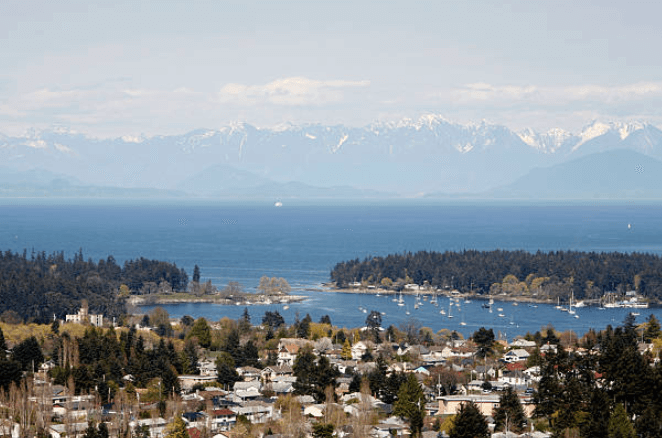
For years, Nanaimo has been described as a city in transition.
A ferry town. A former resource hub. A place people pass through on the way to somewhere else. Too often, it’s framed by what it used to be, or what it might one day become — as though its value lies perpetually in the future.
But those narratives miss what’s happening right now.
Because Nanaimo isn’t waiting to thrive. It already is — just not in the loud, attention-seeking way we’ve come to associate with success.
Thriving here doesn’t announce itself through dramatic reinvention stories or glossy headlines. It shows up in quieter, more human ways: in the ease of everyday interactions, in the rhythm of daily life, in the sense that people still have time — for one another, and for themselves.
A City Shaped by Work, Water, and Resilience
Long before Nanaimo became a place people chose for balance, it was a place shaped by necessity.
Coal mining, forestry, shipping — Nanaimo’s early identity was rooted in labour and industry, in work that was physical, demanding, and often precarious. This was never a city built for show. It was built to function. To endure. To support families who depended on land and water not as lifestyle symbols, but as livelihoods.
That history still matters.
You can feel it in the city’s unpretentiousness. In the lack of urgency to impress. In the way usefulness is valued over polish, substance over spectacle. Nanaimo was never designed to perform for outsiders — and that may be why it feels so grounded now.
There’s a kind of inherited resilience here. A familiarity with cycles: boom and bust, change and adaptation. When you live in a place shaped by real work, you develop a longer view of success. You learn that sustainability isn’t a buzzword — it’s survival.
As one longtime resident once put it,
“Nanaimo has always known how to take care of itself. It doesn’t panic. It adapts.”
That ability to adapt — without erasing the past — may be one of Nanaimo’s quiet strengths.
A City Experienced at Human Scale
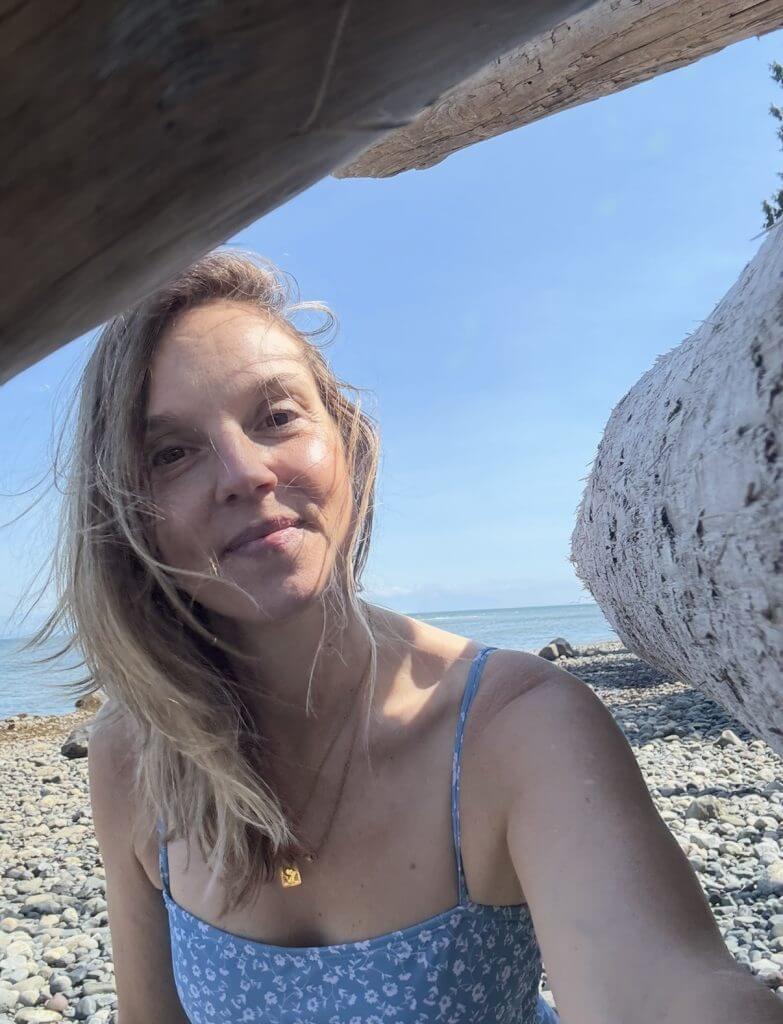
I arrived expecting a period of adjustment. Any move does that to you — especially when you’ve spent years in larger cities where connection often feels scheduled and transactional. What surprised me wasn’t just how beautiful Nanaimo is, but how quickly it made space.
Not just physical space, but social space.
In many cities, building community can feel like a second job. You join groups, attend events, make plans weeks in advance. In Nanaimo, connection still happens by chance. A brief exchange on a forest trail turns into a longer conversation. Asking for directions becomes the beginning of a walking friendship. Familiar faces appear again, then again, until routine quietly forms.
There is something deeply grounding about a place where relationships are allowed to unfold slowly, without pressure or performance.
That ease isn’t accidental. It’s the product of a city that has grown without losing its human scale. Nanaimo still feels navigable — emotionally as well as physically. You don’t need to harden yourself to move through it. You don’t need to compete for space.
Community as a Daily Practice
Community in Nanaimo isn’t something abstract or aspirational. It’s not confined to official initiatives or planned gatherings, though those certainly exist. It’s practiced daily, often informally.
It lives in neighbourhood cafés where conversations overlap between tables. In trails that act as social corridors as much as recreational ones. In small, locally run businesses that function as connective tissue rather than mere transactions.
There’s a sense here that people still feel responsible for one another — not in an intrusive way, but in a quietly attentive one. You notice when someone hasn’t been around. You ask how they’re doing, and you wait for the answer.
In a time when many places are grappling with loneliness and fragmentation, that kind of everyday attentiveness feels increasingly rare — and increasingly valuable.
The Land Still Leads
In Nanaimo, nature isn’t marketed as a lifestyle perk. It’s simply part of how life works.
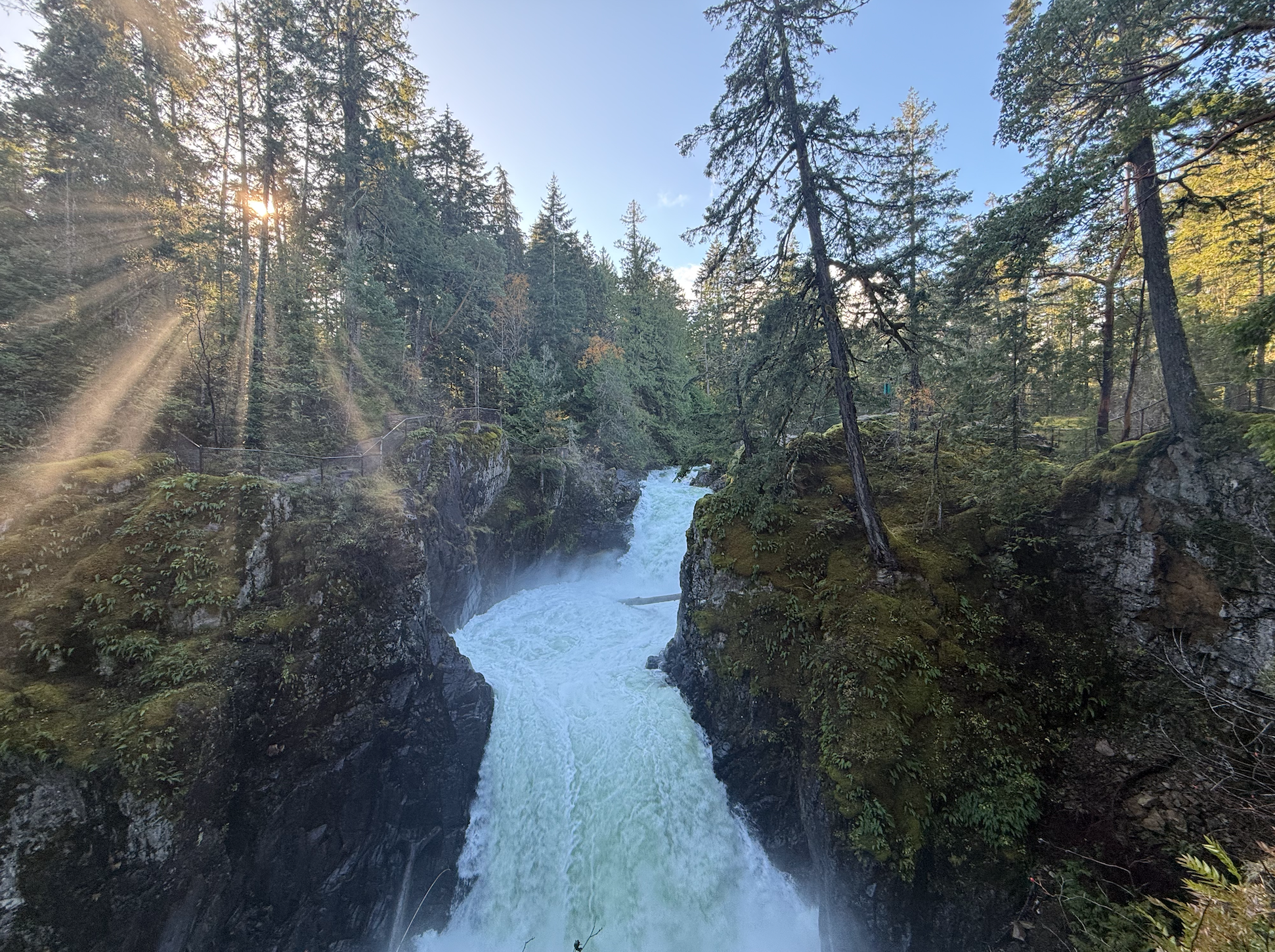
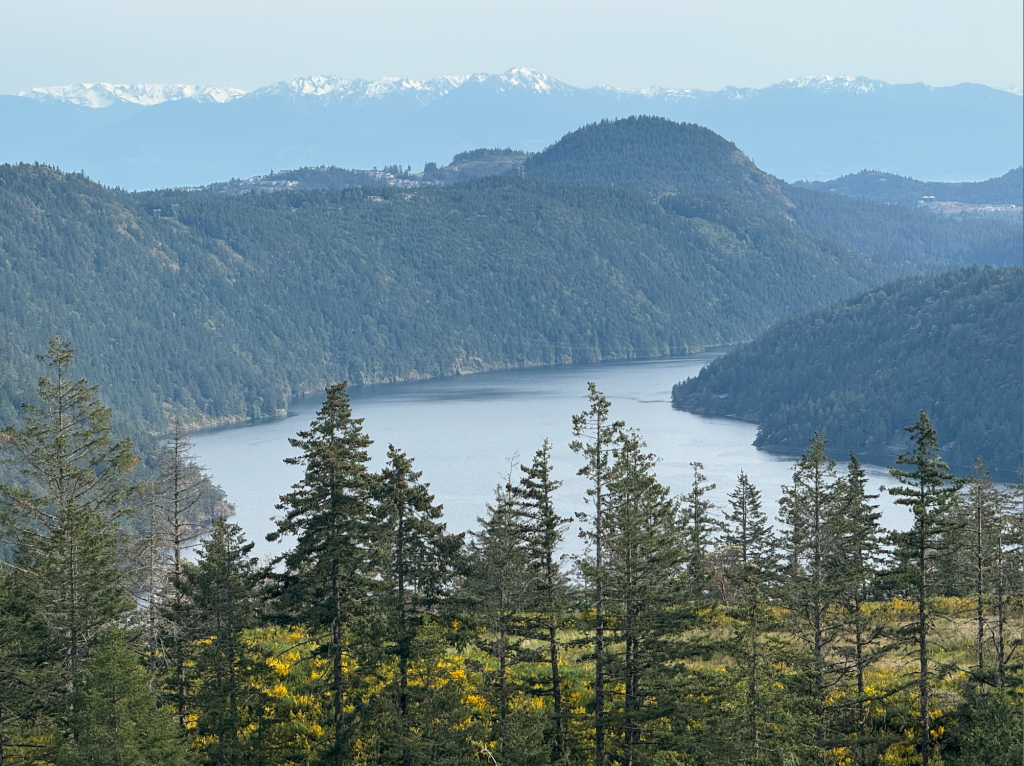
Forests, lakes, and ocean access aren’t treated as destinations you escape to when time allows; they’re woven into daily routines. A walk through the trees might happen between errands. A swim in a nearby lake fits into an ordinary afternoon. The ocean is not a spectacle — it’s a presence.
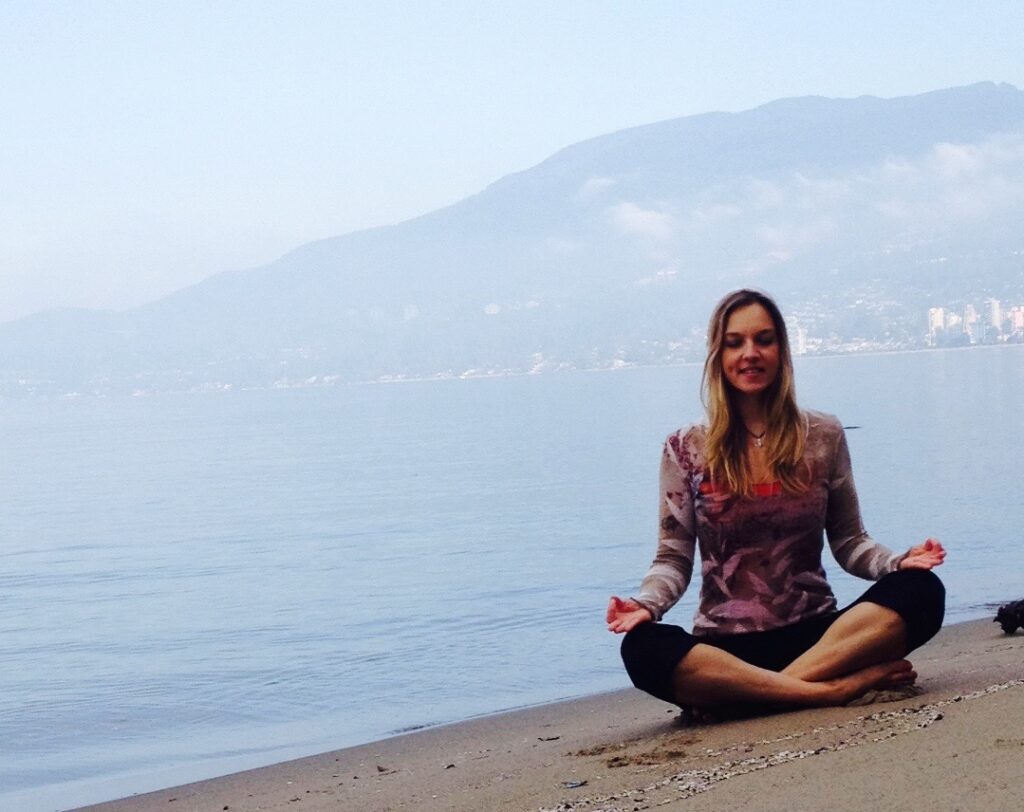
That constant proximity has a subtle but powerful effect. It regulates pace. It offers perspective. It makes it harder to live entirely in your head.
When nature is this accessible, it stops being something you “use” and becomes something you relate to. And that relationship shapes the emotional tone of a place. Conversations feel less hurried. Plans remain flexible. There is a collective permission to pause.
A local artist once described it to me simply:
“Living here teaches you when to push — and when to stop.”
Growth Without Erasure
Like many communities across British Columbia, Nanaimo is growing. New residents are arriving — artists, remote workers, young families, people seeking a different rhythm of life.
What’s notable is not just that growth is happening, but how it’s being absorbed.
Rather than overwhelming the city’s character, newcomers often arrive precisely because of it. They’re not coming to transform Nanaimo into something else, but to participate in what already exists. In many cases, they deepen the very qualities that drew them here: care for the environment, appreciation for local culture, and a desire for connection over acceleration.
There’s an emerging understanding here that progress doesn’t have to mean erasure. That a city can evolve without abandoning its values. That bigger isn’t always better — and faster often isn’t wiser.
A Quiet Confidence
What seems to be emerging now is a quiet confidence.
Nanaimo no longer feels like a place seeking approval or comparison. It doesn’t need to be framed as “the next” anything. It doesn’t need to justify itself against larger cities or louder narratives.
Its strength lies precisely in its refusal to overperform.
There is dignity in a place that knows what it offers and doesn’t feel the need to exaggerate it. In a city that prioritizes livability over spectacle, and depth over display.
Redefining What Thriving Looks Like
If thriving means resilience, connection, and the ability to support a good life — then Nanaimo is already there.
It thrives in its relationships: between neighbours, between people and place, between long-time residents and those newly arrived. It thrives in its pace, in its accessibility to nature, in its willingness to let life be lived rather than constantly optimized.
In a moment when so many communities are searching for answers — about belonging, sustainability, and well-being — Nanaimo offers something quietly radical: a reminder that thriving doesn’t have to be loud.
Sometimes, it looks like knowing who you are.
And choosing, every day, to live that way.