Vancouver has spent decades asking how to be more livable.
We debate density models, redesign streets, and search for the elusive balance between growth, ambition, and well-being. But just across the water, a different answer has been quietly unfolding — without fanfare, without branding, and without trying to be anything other than itself.
Nanaimo isn’t competing with Vancouver. It isn’t aspiring to become a smaller version of it. And that may be its greatest strength.
I arrived expecting contrast. What I didn’t expect was clarity.
A City Shaped by Work, Water, and Resilience
Long before Nanaimo became a destination for families, artists, and remote workers, it was shaped by necessity.
Coal mining, forestry, and shipping were the city’s backbone. Life here demanded endurance and adaptability. Communities were built to survive, not to impress. That legacy persists in the city’s unpretentiousness. Nanaimo doesn’t need to perform for outsiders. It values substance over spectacle, resilience over hype.
A longtime resident reflected on this legacy:
“Nanaimo has always known how to take care of itself. It doesn’t panic. It adapts.”
That inherited resilience may be why Nanaimo feels so grounded. Unlike cities that rush to reinvent themselves, Nanaimo thrives on continuity — integrating its past into a present that’s livable, sustainable, and quietly confident.
The Human Scale
Vancouver often feels hurried, even when we’re not. Streets are crowded, schedules are tight, and connection can feel transactional. Nanaimo offers a different pace.
The city’s scale allows for breathing room — physically, socially, and emotionally. Conversations happen organically, trails and parks become meeting places, and a simple “hello” can lead to a meaningful connection.
In many ways, the city still functions as a community. Cafés double as informal town halls. Local businesses act as social anchors. Even ordinary errands turn into moments of interaction. Here, connection isn’t an event; it’s woven into daily life.
Nature as Daily Life
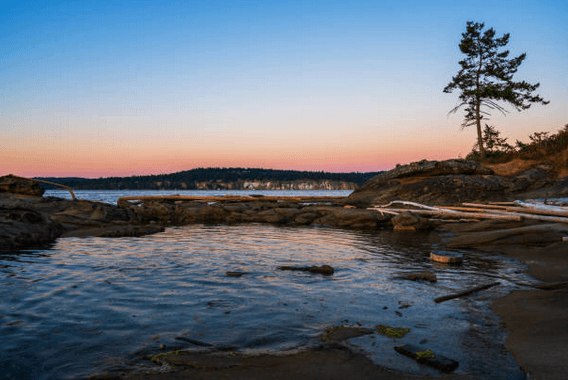
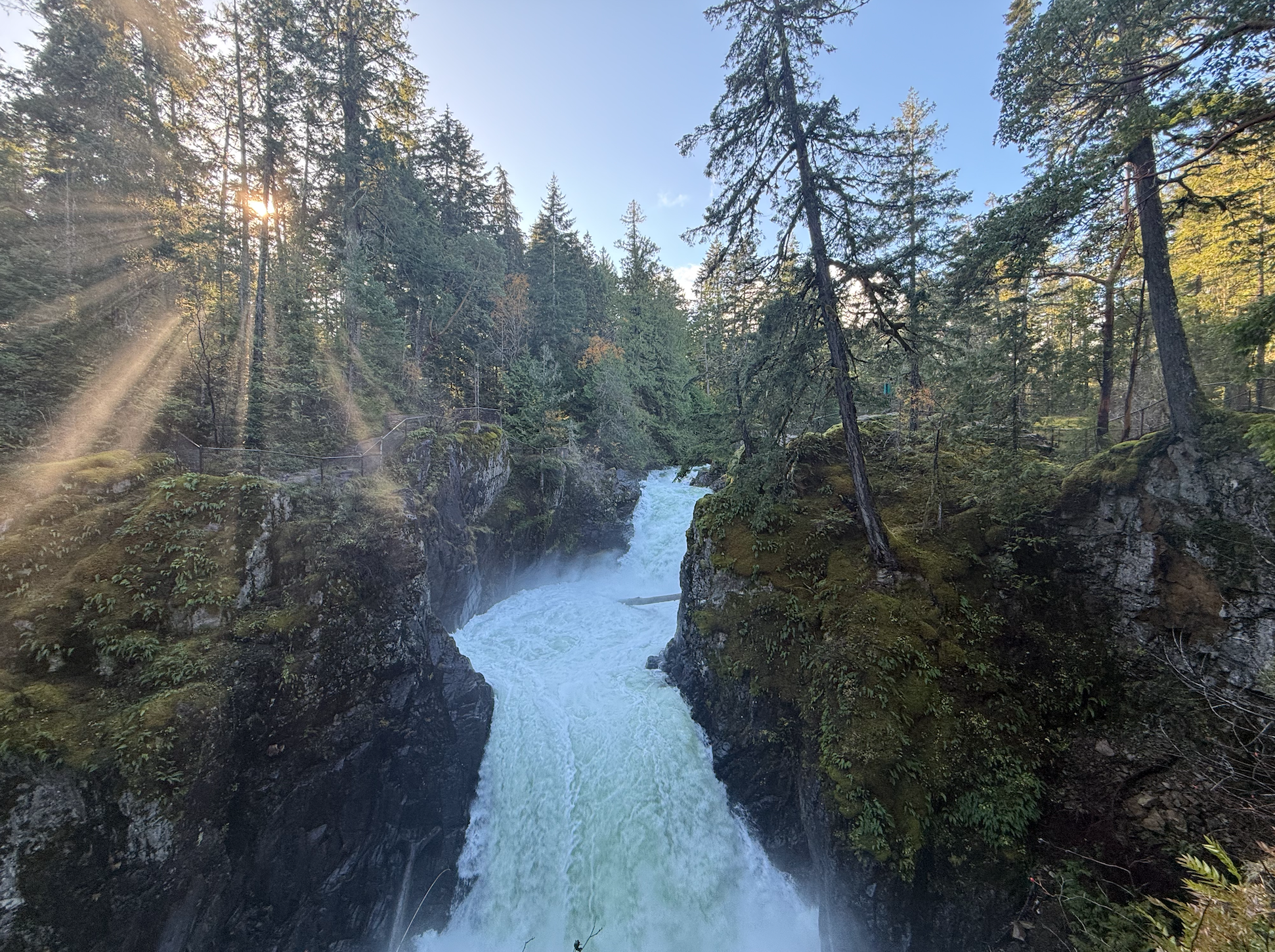
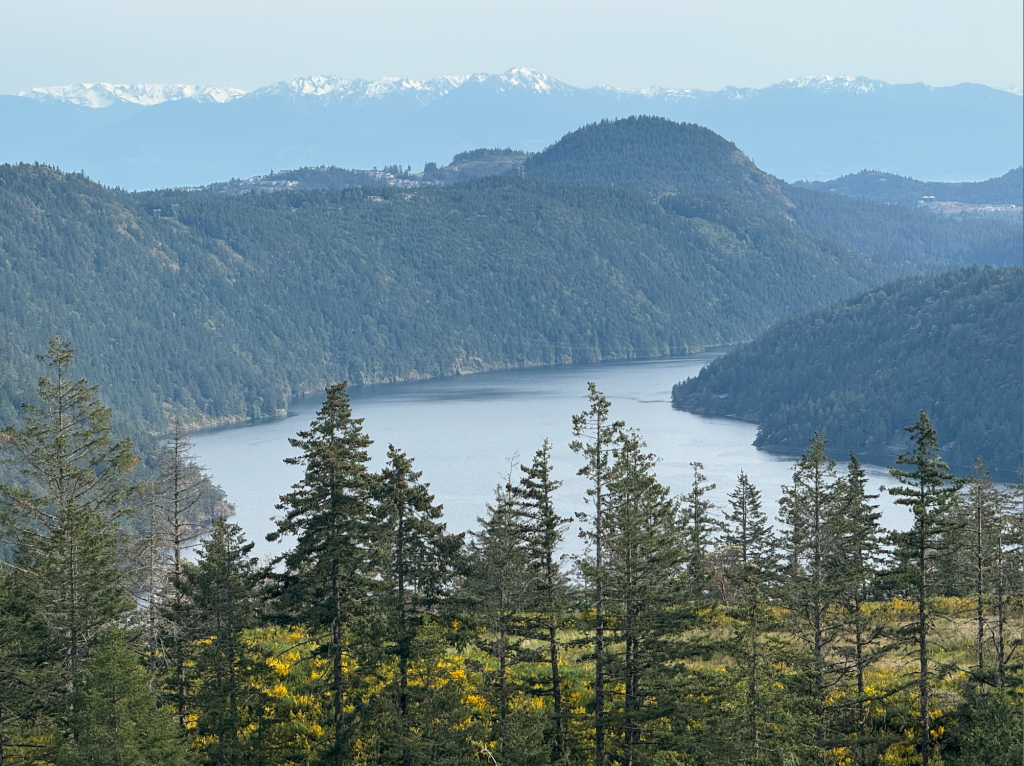
Vancouver’s beauty is undeniable, but much of it feels curated, contained, or tourist-ready. Nanaimo’s landscape feels lived-in. Forests, lakes, and ocean access aren’t reserved for weekends; they are part of the rhythm of every day.
A local artist explained it best:
“Living here teaches you when to push — and when to stop.”
The land sets the pace. Forested trails, harbour walks, and lakeside swims regulate the city’s tempo. People move with it, not against it. That constant proximity to nature is subtle but transformative: it shapes conversation, lowers stress, and encourages presence in a way that high-density urban living often cannot.
Growth Without Losing Character
Nanaimo is growing — not at breakneck speed, but thoughtfully. Artists, remote workers, and young families are arriving, drawn by what the city already offers. They’re not coming to change Nanaimo into something else; they’re coming to participate in its existing character.
This is a city that welcomes newcomers without sacrificing its identity. Growth here reinforces values already present: connection, sustainability, and a sense of shared life rhythm. It’s a rare example of expansion that doesn’t erode personality.
Lessons for Vancouver
Vancouver readers might wonder: what can we learn from this quieter city across the water?
Firstly, livability doesn’t come from scale or complexity alone. It comes from allowing people to experience time and space — to notice, connect, and breathe.
Secondly, continuity matters. Nanaimo hasn’t abandoned its past, nor has it overcorrected to follow a trend. It integrates its industrial, working-class roots with the desires of its new residents. It’s a city that balances adaptation with memory.
Finally, the city’s relationship with land provides a subtle blueprint for urban planning. Access to nature, integrated into daily life, shapes pace and perspective. Residents aren’t just consumers of their environment — they’re participants.
Quiet Confidence
There’s a quiet confidence emerging in Nanaimo. It no longer feels the need to explain itself or justify its success. It doesn’t need to be the next “it” city, and in refusing that pressure, it thrives.
This confidence is visible in ordinary moments: a casual conversation on a trail, a café owner who remembers your name, a local initiative that bridges generations without fanfare. The city has discovered a measure of success that is internal rather than performative.
In an age when many urban centers scramble for attention, Nanaimo’s approach feels radical. Thriving doesn’t have to be loud. Sometimes, it’s simply about knowing who you are — and living that way.
Redefining Thriving
If thriving means resilience, connection, and the ability to support a meaningful life, then Nanaimo is already there.
It thrives in its people and their relationships. It thrives in its pace and proximity to nature. It thrives in its openness to newcomers while preserving what makes it unique. And perhaps most importantly, it thrives in its refusal to overperform.
For Vancouverites seeking a different rhythm, a city that feels accessible, grounded, and real, Nanaimo offers a lesson: growth, sustainability, and well-being don’t have to come at the cost of identity. Sometimes thriving is quiet. Sometimes it’s steady. And sometimes, it’s exactly what you’ve been overlooking.