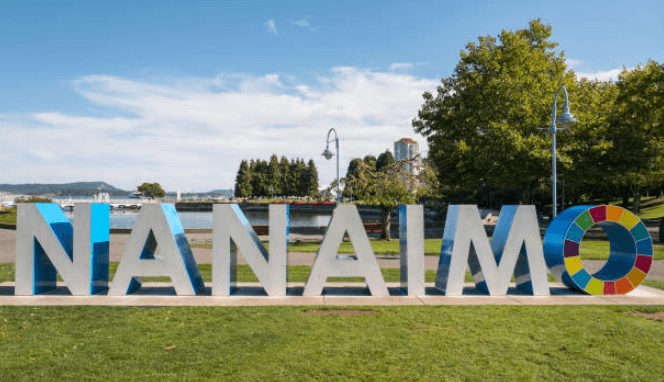
When people talk about sustainability, they often picture cutting‑edge cities with futuristic infrastructure, public transit innovations, or sweeping corporate commitments. Nanaimo offers something quieter — a grassroots model of sustainability rooted in community involvement, connection to nature, mindful growth, and everyday choices that ripple outward. In this city on the Salish Sea, balancing environmental responsibility with livability feels less like a slogan and more like a long‑standing way of life.
A Culture Rooted in Nature
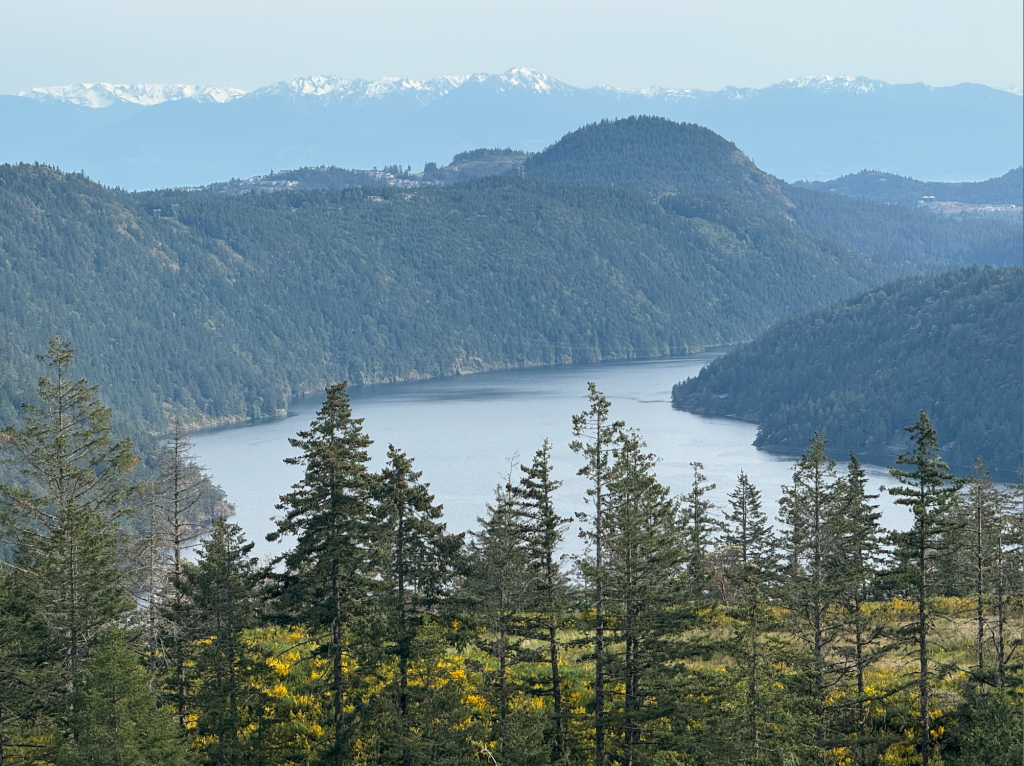
Nanaimo’s sense of sustainability begins with the land itself. Forests, wetlands, lakes, and the waterfront aren’t relegated to the periphery — they shape how people live. Residents don’t drive to nature; they move through it as part of daily routines. A morning trail run, an after‑work paddle, or an evening walk along the water are natural extensions of life here, not scheduled “wellness moments.”
This proximity to nature nurtures a collective sensibility that respects place and environment. People aren’t just observers of the landscape — they interact with it. They see its seasonal rhythms, its fragile ecosystems, and its capacity to support life in subtle, sustaining ways.
Cities Act — and Nanaimo’s Plan is Green
Nanaimo’s commitment to sustainability isn’t just cultural — it’s strategic.
The City Plan: Nanaimo ReImagined lays out a vision for the next 25 years with sustainability at its core, integrating climate action, active mobility, parks and recreation, health and wellness, and equity into a unified approach to urban planning. This isn’t token language — it’s a structural blueprint for how the city wants to grow responsibly. nanaimo.ca
Under the “Green Nanaimo” goals, initiatives include:
Reducing community‑wide emissions as part of a climate action strategy
Supporting energy‑efficient buildings and climate resilience
Expanding mobility options such as cycling and EV infrastructure
Funding local environmental projects that restore habitat and enhance nature access for residents. nanaimo.ca
Through programs like the Community Watershed Restoration Grant and the Community Environmental Sustainability Project Grant, residents and local groups can apply for support to carry out projects that improve watershed health, restore habitat, remove invasive species, enhance environmental education, and engage the community in climate adaptation efforts. nanaimo.ca+1
These small but intentional investments amplify the city’s sustainability culture from the grassroots up — a powerful complement to policy frameworks.
Community Power: Projects with Purpose
Sustainability in Nanaimo is as much social as it is environmental. Local groups and volunteers show up in ways both big and small: planting native species in parks to support pollinators, hosting educational workshops, or building urban gardens that reconnect people to food systems and soil.
For instance, Youth 20/20 Can Nanaimo — a group of local volunteers — used community environmental grant funding to install a native plant garden in Beaufort Park, supporting biodiversity and habitat health while creating a public space for people and wildlife alike. 88.5 The Beach
This project highlights how community‑driven action not only restores ecosystems but also fosters intergenerational involvement and environmental stewardship — essential ingredients in any sustainable city.
Everyday Sustainability Initiatives
Beyond grants and gardens, Nanaimo residents have many ways to get involved and learn about sustainability in practical, hands‑on ways.
The Regional District of Nanaimo offers community education events focused on energy efficiency, carbon reduction, home upgrades, EV incentives, and climate resilience strategies — tools that help residents reduce their environmental impact while saving money and improving comfort at home. RDN
Meanwhile, rebate programs for home energy retrofits and EV chargers, tree planting voucher programs, and community climate action clubs all encourage individual action alongside collective goals. nanaimo.ca
This integration of personal choice, incentive programs, and structural policy shifts makes sustainable living tangible, not theoretical.
Local Organizations Driving Eco Action
Several organizations and campaigns in the region amplify this sustainable ethos:
Island Community Solar Co‑op helps residents and businesses adopt renewable energy systems, expanding access to solar power and community energy solutions. ICSC
Eco Elegance, a sustainable fashion show hosted by Big Brothers Big Sisters of Central Vancouver Island, highlights sustainable clothing practices and the value of reusing and repurposing fashion locally. Nanaimo News NOW
Big Brothers Big Sisters and other nonprofits incorporate sustainability into fundraising, education, and community engagement, strengthening local support systems for environmental awareness. Nanaimo News NOW
These efforts show that sustainability isn’t a fringe interest — it’s a community value woven into arts, education, energy, environment, and everyday life.
Local Business and Economic Resilience
Sustainability isn’t limited to nonprofit or government action; local businesses are also part of the equation. Initiatives like Island Good promote locally made products across Vancouver Island — food, crafts, and goods that strengthen local supply chains, support artisan makers, and reduce emissions tied to long‑distance transportation. Nanaimo News NOW
Across the region, sustainability‑oriented economic practices — from green procurement policies to local market support — help build resilience and reinforce community investment.
Infrastructure That Sustains
Even large‑scale infrastructure developments in and around Nanaimo are contributing to community sustainability. For example, federal funding through the Green and Inclusive Community Buildings program is supporting the expansion of the Ravensong Aquatic Centre, designed to meet Zero Carbon building standards and provide inclusive recreation space for residents across the region. Canada
Such investments make sustainable design accessible — not just aspirational — while enhancing quality of life.
Lessons from Nanaimo
So what makes Nanaimo’s sustainability approach a model — and what can other cities learn?
1. Integration over Isolation
Sustainability isn’t siloed here; it’s part of urban planning, community programming, and individual action alike. Grants, events, policy, and education interlock — creating a system that supports long‑term environmental stewardship.
2. Grassroots Meets Policy
Nanaimo’s climate and environment vision isn’t only top‑down — it thrives through community projects, youth engagement, and local leadership supported by municipal frameworks.
3. Accessibility Matters
By offering educational events, rebates, and incentives that are accessible to residents at all income levels, the city reduces barriers to participation and spreads ownership of sustainability goals.
4. Culture and Environment Are Linked
The city’s closeness to nature isn’t just scenic — it’s experiential. It influences how people think, act, and relate to their environment, those around them, and future generations.
Quiet Thriving
Nanaimo doesn’t shout its sustainability commitments from billboards or seek attention through flashy metrics. Its progress is quiet, steady, and deeply embedded in everyday life: the volunteer planting a native garden, a homeowner upgrading insulation with a rebate, a community member attending a workshop on climate resilience.
In a world where sustainability often feels overwhelming or unreachable, Nanaimo offers a grounded example: thoughtful policy, empowered community action, and a culture that values human‑scale living in harmony with the natural world.
Quietly, but unmistakably, this city is thriving — not just economically or socially, but sustainably.