For decades, travel has been measured by distance.
The further we went, the more expansive the experience was meant to be. New stamps, new climates, new versions of ourselves. Movement became proof of vitality — of curiosity, ambition, freedom. To travel was not only to leave, but to become.
Lately, something has shifted.
More people are choosing not to go far at all. They are returning to the same places year after year, staying longer, travelling less, or quietly opting out of the performance of travel altogether. This isn’t apathy. It’s fatigue — and discernment.
What’s emerging is a quieter form of travel, one that values depth over novelty and presence over accumulation. A way of moving — or not moving — that asks less of the world and more of our attention.
When movement becomes noise
Modern travel rarely allows for stillness. Even meaningful journeys are often compressed into itineraries designed for efficiency rather than absorption. We arrive already tired, photograph quickly, move on. Experience is documented before it is felt.
Writer Pico Iyer once observed that “the most precious commodity in modern life is stillness.” Travel, ironically, has become one of the places where stillness is hardest to find.
Airports, timelines, recommendation algorithms — all of it conspires to keep us moving, consuming, ticking boxes. In this rhythm, place becomes something we use rather than enter. Landscapes become backdrops. Cultures become checklists.
Quiet travel resists that impulse. It asks different questions: What happens when we stay long enough to be recognised? When a café owner remembers our order? When a trail no longer feels scenic, but familiar? When a place stops entertaining us and starts reflecting us back to ourselves?
There is a subtle grief in slowing down — the loss of the rush, the story, the proof that we were somewhere “worth going.” But there is also relief.
The return, not the escape
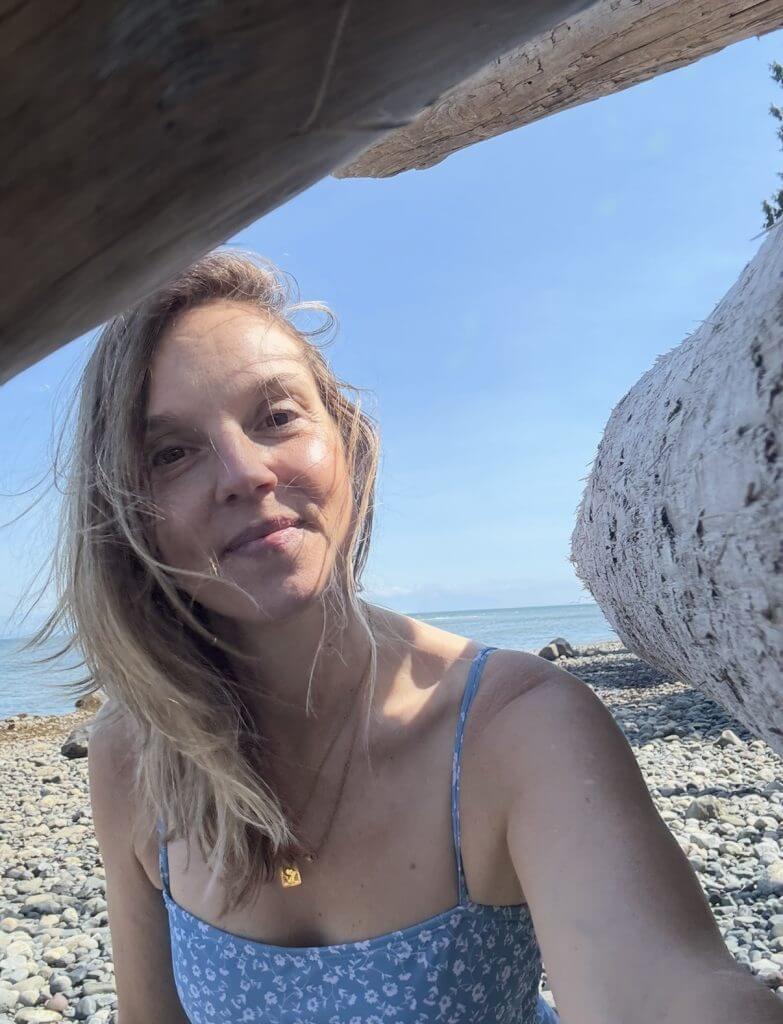
Vancouver Island is not a place that rewards speed.
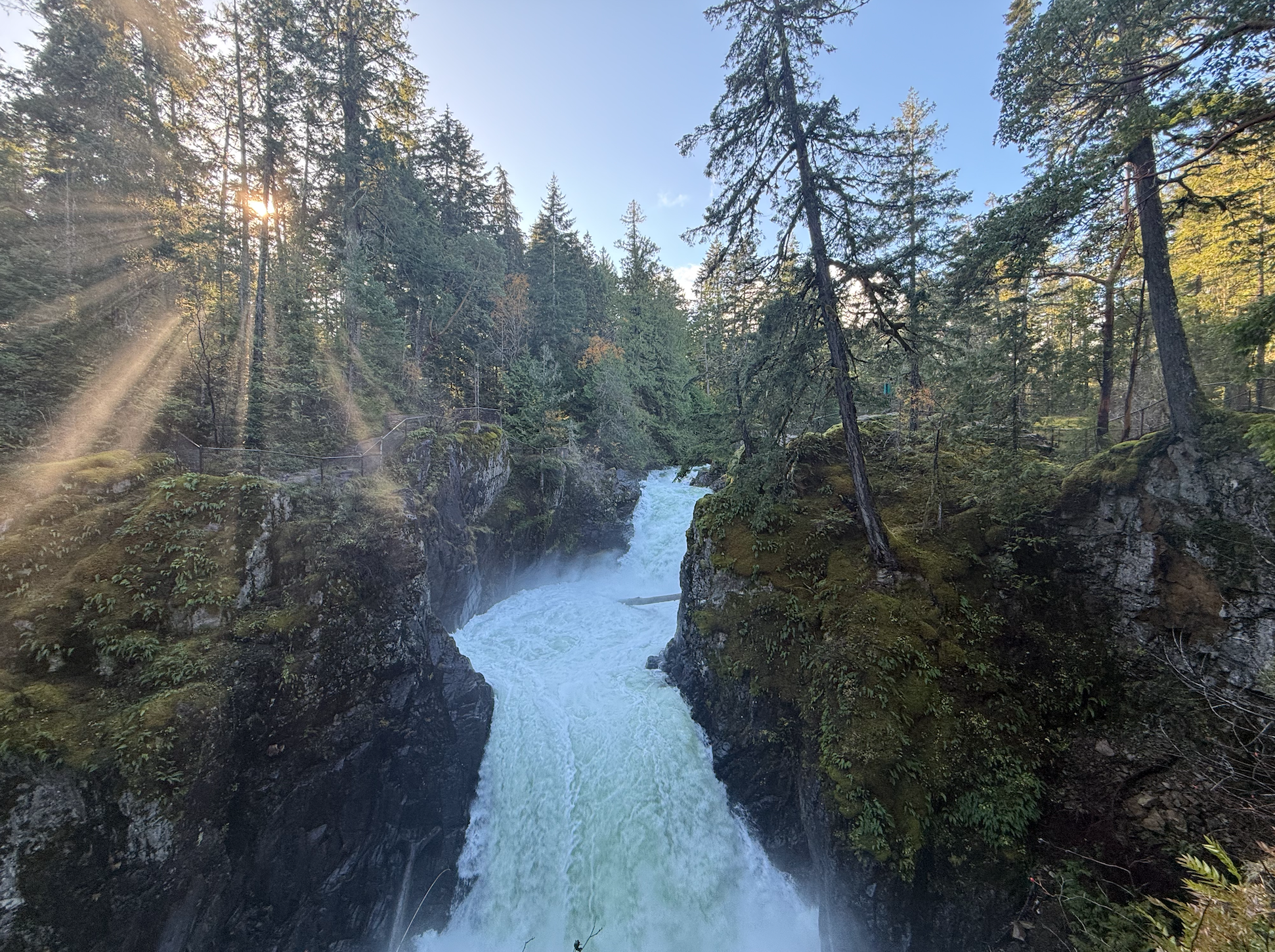
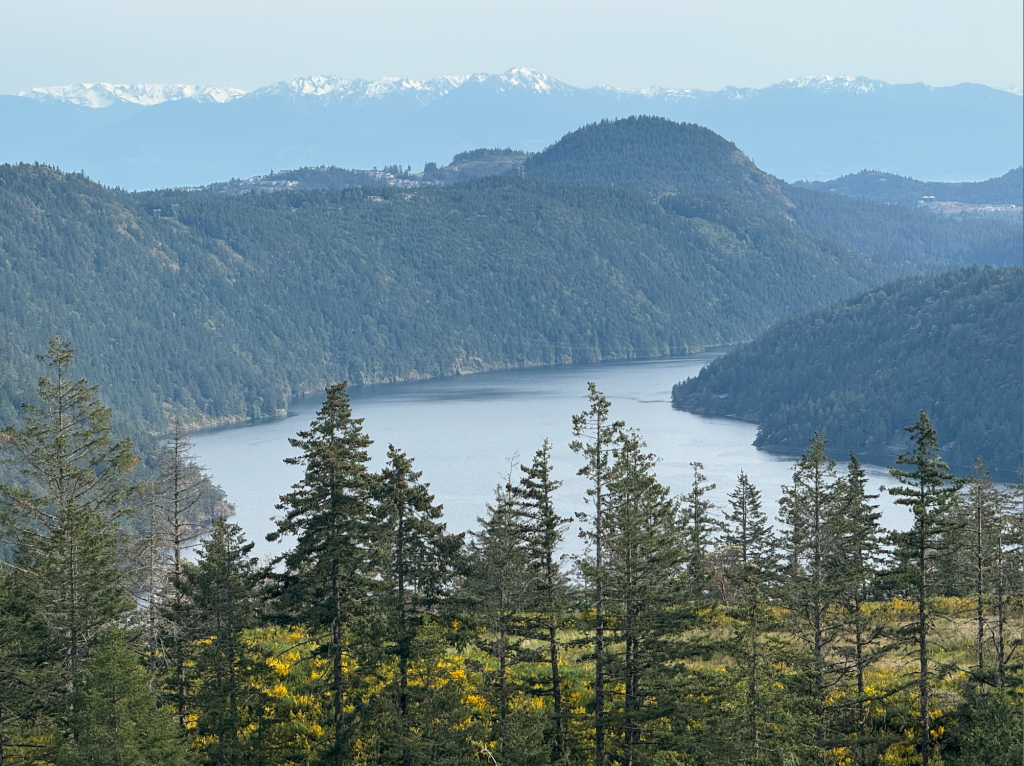
It doesn’t announce itself the way iconic destinations do. There are no grand reveals on arrival, no single landmark that declares you’ve made it. Its beauty is cumulative. It unfolds slowly, often quietly, and sometimes only after you’ve been there long enough to stop looking for it.
Forests soften urgency. Shorelines invite pause rather than spectacle. Even the weather resists predictability. Time stretches in ways that can feel uncomfortable at first — especially for those accustomed to productivity masquerading as purpose.
This is why people come back.
Not because they’ve “done” Vancouver Island, but because they haven’t. Because it doesn’t resolve itself in one visit. Because the island reveals different versions of itself — and of us — depending on when and how we return.
In quiet travel, the return becomes more meaningful than the departure. You’re no longer escaping your life; you’re re-entering it with more awareness.
Familiarity as a form of richness
There is a persistent belief that repetition dulls experience. In reality, it deepens it.
Returning to the same place allows for nuance — the noticing of seasonal shifts, the rhythms of local life, the small variations that are invisible to passing visitors. You begin to understand how spring smells different than autumn, how certain beaches empty while others fill, how light changes across the same stretch of water month to month.
Familiarity builds relationship.
Sociologist Richard Sennett writes that “attachment to place deepens moral responsibility.” When we return, we care differently. We notice erosion. We learn names. We stop seeing a place as a resource and start seeing it as a living system we are temporarily part of.
This is the opposite of boredom. It is intimacy.
On Vancouver Island, this intimacy is almost unavoidable if you stay long enough. Local markets replace souvenir shops. Conversations replace recommendations. You begin to move with the place rather than through it.
The ethics of staying
Quiet travel also reframes responsibility.
Staying longer — or returning often — reduces environmental impact. Fewer flights. Less constant infrastructure strain. Supporting local economies repeatedly rather than once changes power dynamics. You are no longer a visitor passing through, but a participant returning.
There is humility in this kind of travel. You stop asking what a place can give you and begin asking how to move within it respectfully.
On the island, this might look like choosing the same accommodation year after year, getting to know the land rather than sampling it, or allowing a trip to be shaped by weather, tides, and energy rather than plans.
Travel, in this sense, becomes less about leaving life behind and more about learning how to be present within it.
Choosing stillness
Choosing to go nowhere is not a rejection of curiosity. It is a redefinition of it.
It requires trust — that meaning doesn’t only exist elsewhere, that depth can be found without constant motion, that returning does not mean stagnation. It asks us to let go of the idea that growth must always be dramatic, visible, or far away.
The French philosopher Simone Weil wrote that “attention is the rarest and purest form of generosity.” Quiet travel is an act of attention — to place, to people, to oneself.
Vancouver Island rewards this kind of attention. It doesn’t demand to be seen. It invites you to notice.
And in a world increasingly defined by speed, visibility, and consumption, that invitation feels less like limitation and more like a quiet luxury.
Quiet travel doesn’t promise transformation through spectacle. It offers something subtler: the chance to arrive fully, to return willingly, and to leave — if you leave at all — changed in ways that don’t need to be explained.
Sometimes, going nowhere turns out to be the furthest we’ve ever travelled.