Mental health awareness has never been higher.
We speak openly about anxiety, burnout, and depression. We encourage self-care. We normalise struggle. Campaigns remind us to check in on one another. Celebrities share their stories. Companies roll out meditation apps and mental health days.
And yet, the environments we design — socially, economically, geographically — often intensify the very conditions we claim to care about. We live in a world that talks about mental health but structures lives around isolation.
Awareness without infrastructure
Individual coping strategies have become a substitute for collective responsibility. We ask people to regulate themselves inside systems that reward overwork, constant availability, and mobility. We offer mindfulness exercises instead of boundaries. Therapy instead of community. Resilience instead of reform.
More than a century ago, sociologist Émile Durkheim warned that disconnection erodes wellbeing. Loneliness, he argued, is not merely an emotional state but a social condition — a product of how we structure our lives and communities.
Today, loneliness is often framed as a personal failing. If you feel isolated, the implication goes, you haven’t tried hard enough to connect. You haven’t optimised your habits. You haven’t done the work.
But the reality is harder and less comfortable: many modern environments make connection difficult by design.
The cost of constant reinvention
Modern life celebrates flexibility. We move cities for work. We change careers, relationships, identities. Reinvention is framed as freedom — proof of adaptability and ambition.
But constant movement comes at a cost. It fractures support systems. It erodes familiarity. It leaves many people without witnesses to their lives — no one who remembers who they were five or ten years ago, no one who notices subtle changes.
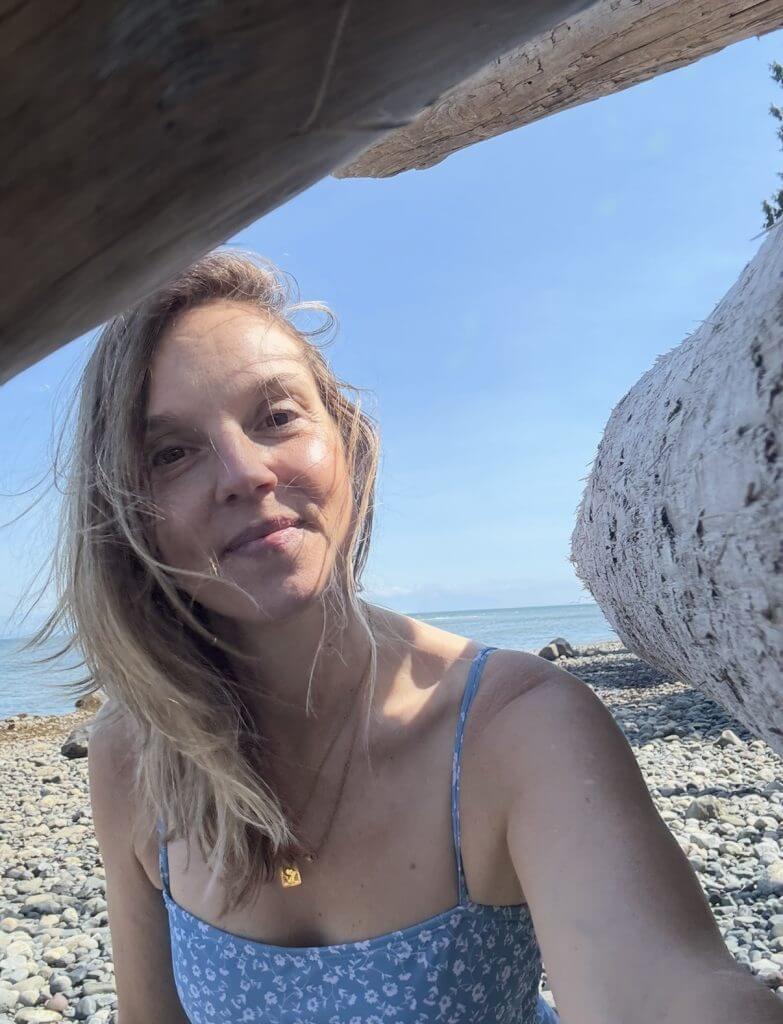
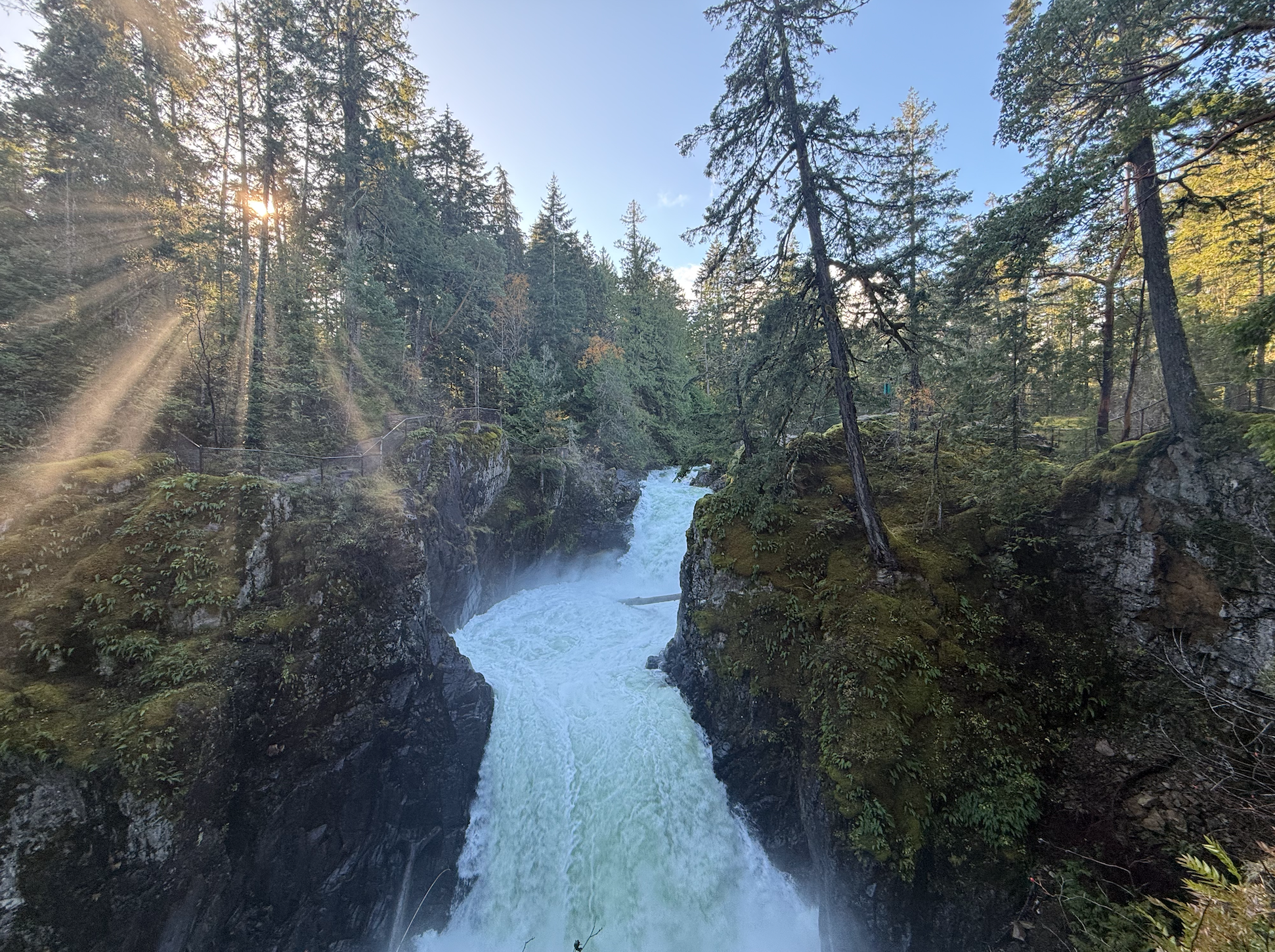
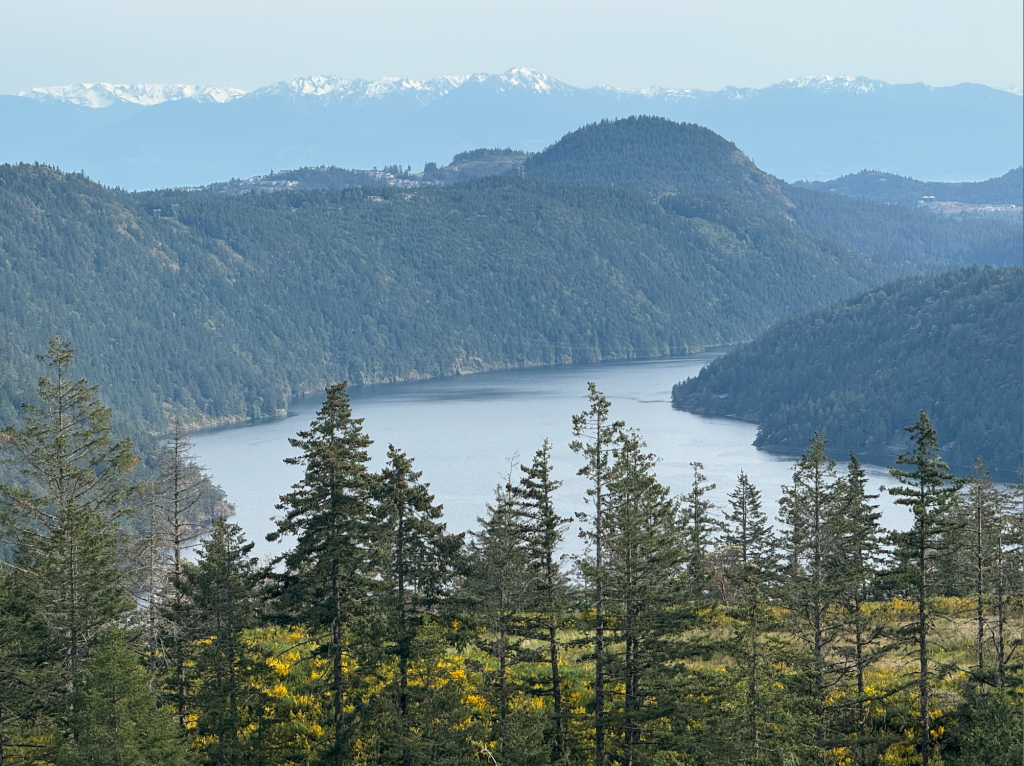
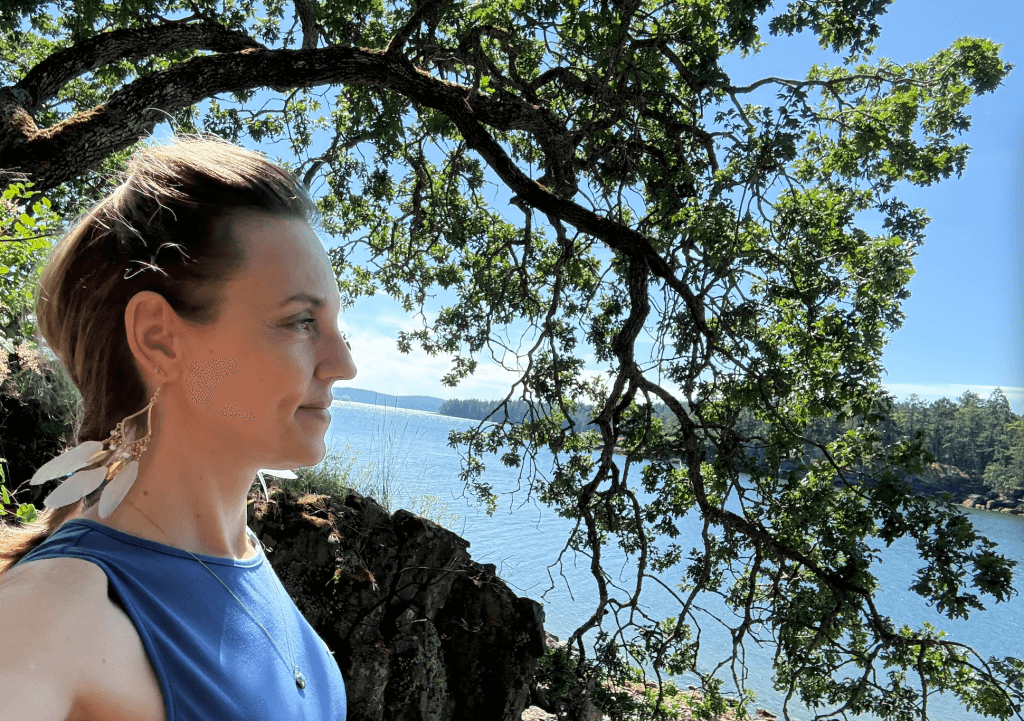
I experienced this when I first moved to Vancouver Island. I didn’t know anyone, navigating a landscape that was at once breathtaking and unfamiliar. On one of my first walks, I got lost and stopped to ask a stranger for directions. That stranger, Lori, not only helped me find my way but invited me on a hike the next weekend.
What began as a brief encounter became a friendship. We hiked together, eventually summiting Mt. Benson, sharing stories and laughter along the way. It was a small moment, but it reminded me how human connection often begins unexpectedly — a shared path, a kind word, a willingness to show up.
On the island, encounters like this are common. People greet you on the trail, smile at the farmers’ market, stop for a chat at the local café. Compared to city living, where everyone rushes past each other, glued to screens or schedules, this friendliness was a revelation. It wasn’t curated or transactional — it was embedded in the rhythm of life here.
Places that get it right
Loneliness is not evenly distributed. Some places consistently report higher wellbeing and lower isolation — not because their residents are inherently happier, but because the environment encourages connection.
Parts of Scandinavia, for example, structure cities around communal life: shared courtyards, public saunas, and walkable neighbourhoods create repeated, low-pressure interactions. Bologna, Italy, does the same with its porticos, covered walkways where people linger, bump into neighbours, and form small social rituals. Japan’s local bathhouses and cafés serve a similar function, particularly for older residents.
Even small towns can provide the scaffolding we rarely notice in cities: local libraries, community centres, and independent cafés act as repeated social anchors. It is this slow, consistent social weaving that reduces isolation. Vancouver Island, for me, has shown this in real life: repeated, small encounters that slowly form trust, familiarity, and belonging.
Loneliness is not a personal defect
Writer Johann Hari has argued that many mental health struggles are less about chemical imbalance and more about unmet social needs. Actor and comedian Stephen Fry has spoken candidly about how loneliness persisted even in the midst of professional success — how wealth, fame, and achievement did not substitute for real human connection.
Prince Harry has reflected on his own struggles, describing how the absence of everyday community and grounded relationships exacerbated his isolation. What helped, he said, was not simply therapy, but rebuilding relational networks, seeing the same faces, and creating spaces where he felt truly known.
These stories matter because they challenge a damaging myth: that mental health is solved through individual insight alone. Humans are social creatures. We are shaped by the quality of our relationships, the rhythm of our daily encounters, and the spaces we inhabit.
What actually helps
Mental health improves not when people are told to be tougher, but when conditions allow for connection: workplaces that respect limits, housing that allows people to stay put long enough to form roots, neighbourhoods designed for walking and lingering, public spaces that invite interaction without requiring consumption.
Community is built through repetition — seeing the same faces, sharing small moments, developing trust slowly. These things cannot be rushed, optimised, or outsourced to an app. Vancouver Island has reminded me of this daily: hiking with Lori, chatting at local markets, or simply waving to someone on a trail — these repeated gestures cultivate wellbeing. They are the architecture of belonging.
Beyond awareness
None of this is an argument against mental health awareness. Naming struggle matters. Reducing stigma matters. But awareness without action risks becoming performative — a way to signal care without changing conditions.
If we are serious about mental health, we must move beyond asking individuals to cope better and start asking harder questions about the worlds we ask them to survive within.
What would it look like to design for belonging, not just productivity? For stability, not just growth? For connection, not just convenience?
Because wellbeing is not only about how we cope.
It is about how we belong.
And sometimes, belonging begins with asking for directions on a trail, and discovering that the stranger who points the way becomes the friend who walks beside you all the way to the summit.