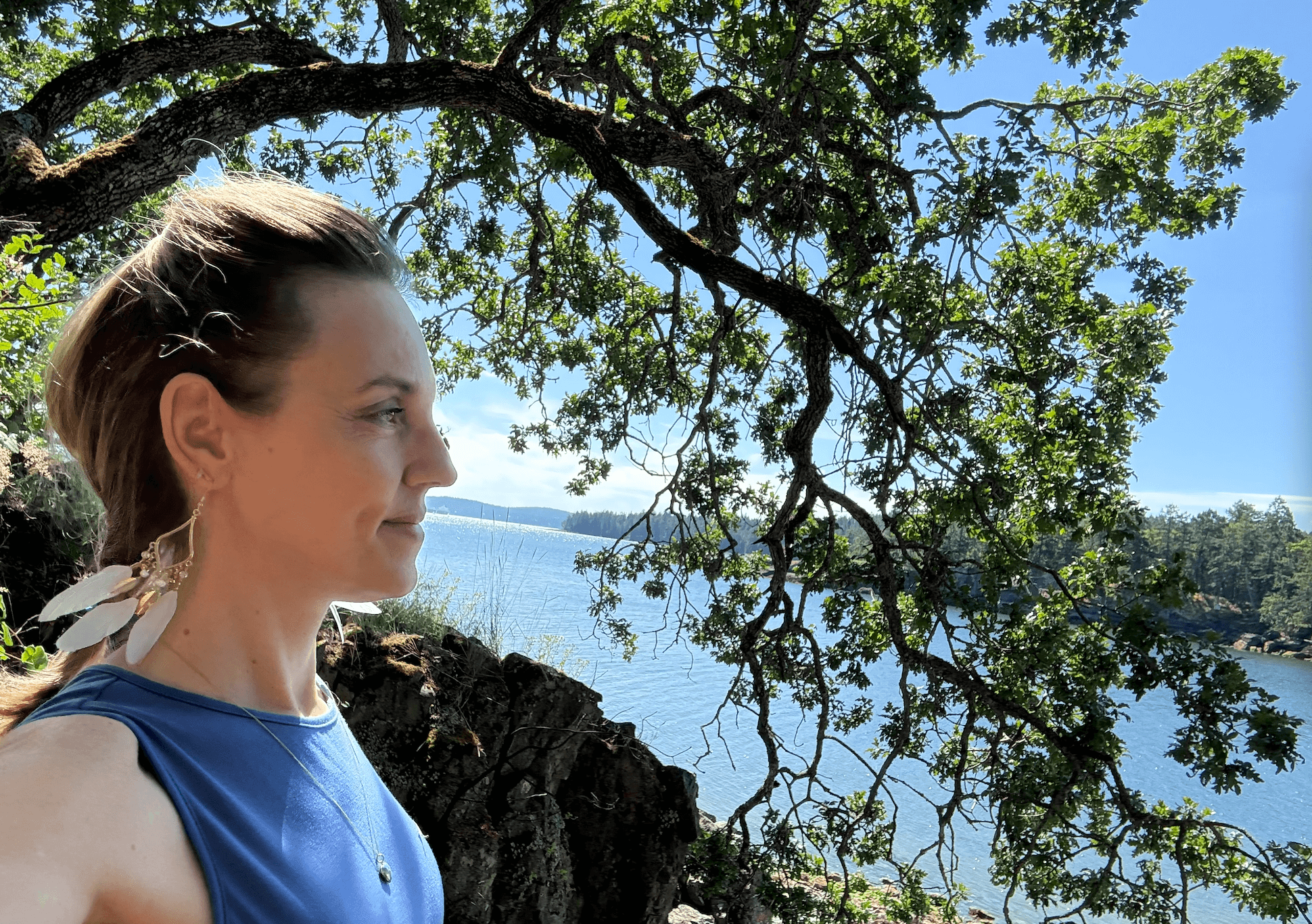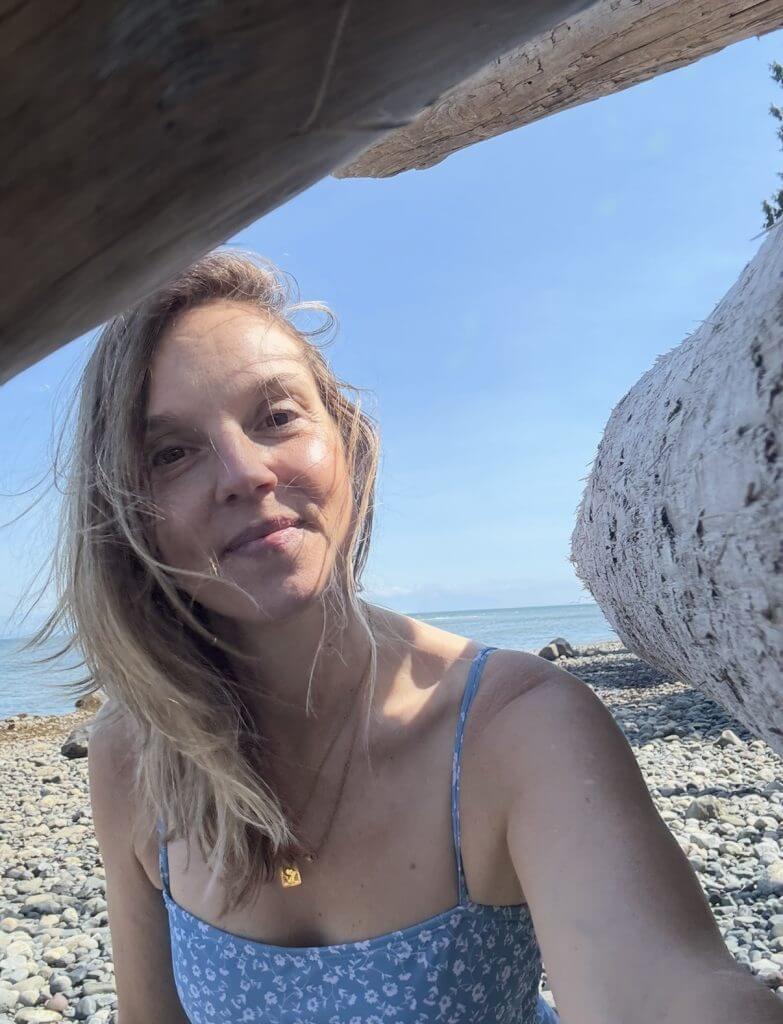
For two years now, Vancouver Island has been quietly re‑educating me.
I arrived with city reflexes still intact — the habit of comparing, of measuring places against more polished versions of themselves. Victoria, with its flowerbeds and façades, its carefully tended charm, is often held up as the Island’s thriving heart. Nanaimo, by contrast, is spoken about in gentler, sometimes apologetic tones. It’s trying, people say. It has potential.
But after two years here, I’ve come to see that Nanaimo isn’t failing to thrive — it’s simply thriving on a different timeline.
And living here has done something unexpected to me. Somewhere between the windstorms, the rock beneath our house, and the daily theatre of birds overhead, my inner David Attenborough has begun to emerge.
One storm in particular sealed it. The wind had been building all afternoon, a low, restless roar moving through the trees. As darkness fell, we watched from the windows as power stations across the distance began to blow — sudden flashes lighting up the sky, one after another, like jagged bursts of lightning erupting from the land itself. Then, inevitably, the power went out. Silence followed. No hum. No glow. Just wind, rain, and the unmistakable sense that nature was very much in charge.
Not the documentary narrator, exactly — but the observer. The one who watches before judging. The one who understands that ecosystems don’t announce themselves with tidy conclusions.
Learning to See What’s Actually Here
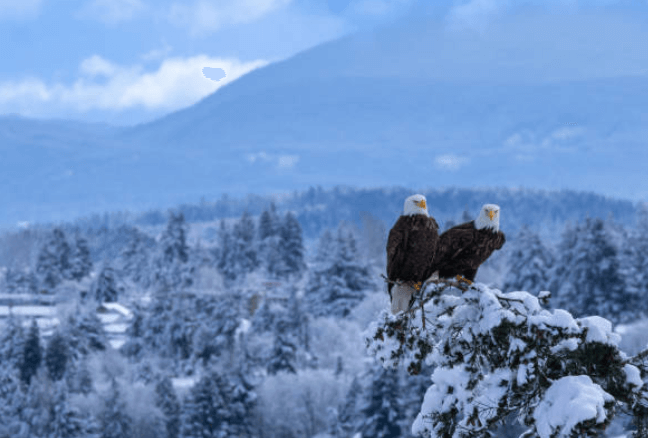
In my first months on the Island, I mistook turkey vultures for eagles. Their enormous wingspans fooled me every time, until I learned to notice the subtleties: the slight V‑shape of a vulture’s wings as it rides thermal currents, the steadier, more purposeful flight of the bald eagle. One scavenges patiently, one hunts decisively. Both are essential.
Now, I can tell when a hummingbird is a Rufous — fiery, territorial, relentless — or an Anna’s, softer in colour, lingering through winter when logic says it shouldn’t. I’ve learned that Canadian geese are not simply background noise, but disciplined migrants with routes etched into ancestral memory. That salmon are not one story, but many: Chinook, Coho, Sockeye, Pink — each with its own timing, strength, and fate.
This kind of knowledge doesn’t come from guidebooks alone. It comes from repetition. From being still long enough for patterns to reveal themselves.
A House on a Rock
Our home is built on rock — quite literally. The acreage was once a quarry, and the land still remembers that disruption. You can feel it in the way water moves, in how trees take root at strange angles, in how the wind behaves when it funnels through the open spaces.
At first, the rock felt unyielding. Unforgiving. But rock, I’ve learned, is not lifeless. It stores heat. It anchors foundations. It outlasts everything.
After one heavy storm, part of the cliff face on our property crumbled, rocks cascading down where the land still bears the memory of its quarry days. Before I had even figured out what to do, neighbours appeared — boots on, gloves ready. No announcements. No expectations. They helped clear debris, shared advice, and quietly restored order to the land. I hadn’t asked. I hadn’t needed to. This, I learned, is how community works here.
When storms roll in — and they do, with increasing unpredictability — the wind becomes a character of its own. It teaches respect. It changes plans. It reminds you that comfort is temporary, but resilience is learned.
Weather as Teacher
The weather here has grown less predictable over these two years. So has the wildlife, revealing itself in moments that feel less like sightings and more like encounters.
One afternoon, driving my Tesla along a familiar road, I came around a bend and there they were — a mama bear and her two cubs, standing squarely in my path. Time slowed. She paused, assessing me, weighing threat against size, stillness against movement. For a brief moment, we regarded one another — two mammals navigating the same territory by very different rules. Then she decided I was bigger than I was worth and bolted into the forest, cubs tumbling after her.
It was a reminder that for all our technology and quiet engines, we are visitors here. Longer dry spells. Sudden deluges. Winds that arrive earlier than expected or linger longer than they should. Living this close to nature makes climate patterns personal rather than abstract.
You notice when birds arrive late.
You notice when salmon runs thin.
You notice when the soil cracks sooner than it used to.
And you begin to understand that thriving isn’t always about growth. Sometimes it’s about adaptation.
Nanaimo’s Quiet Work
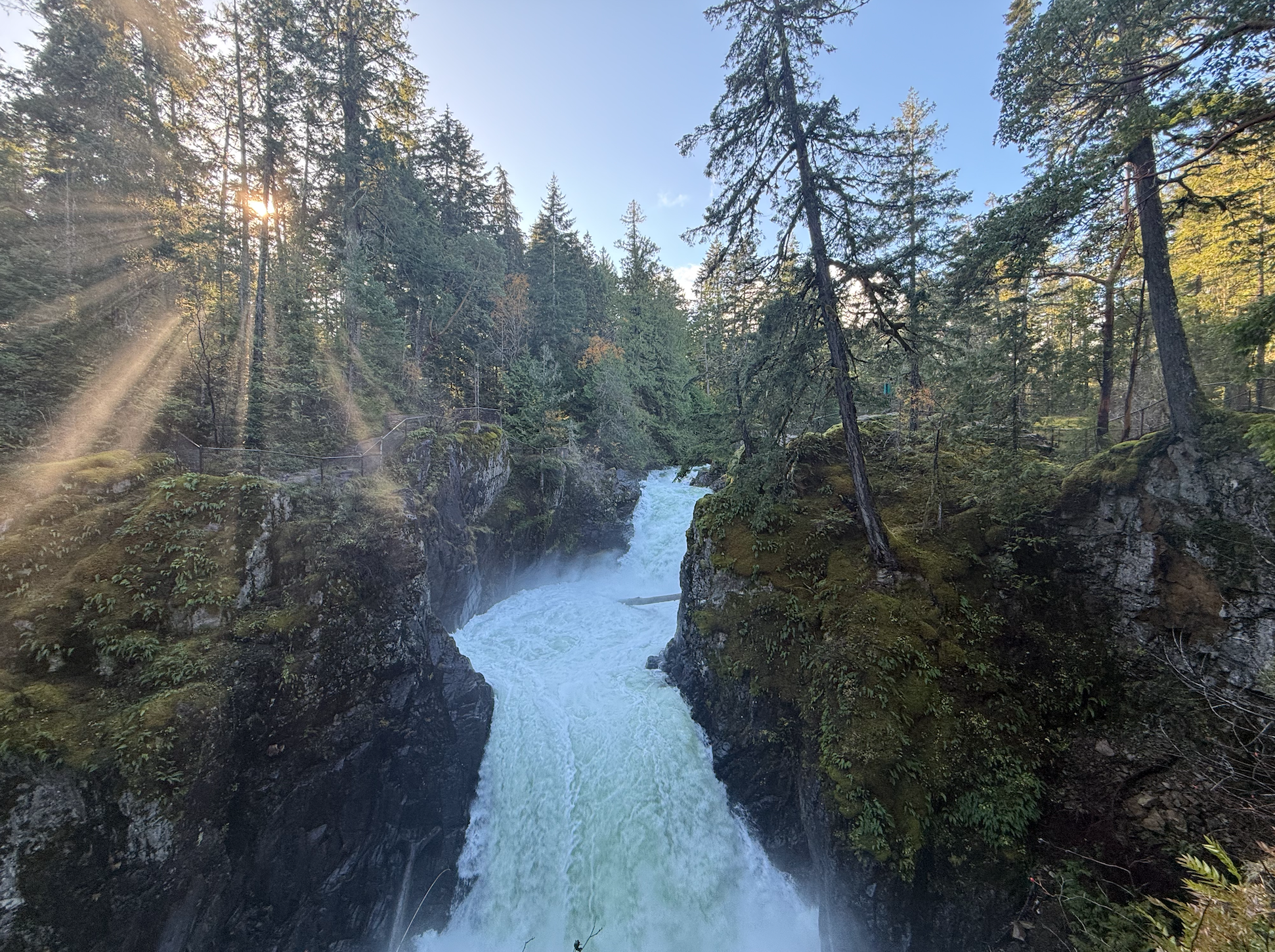
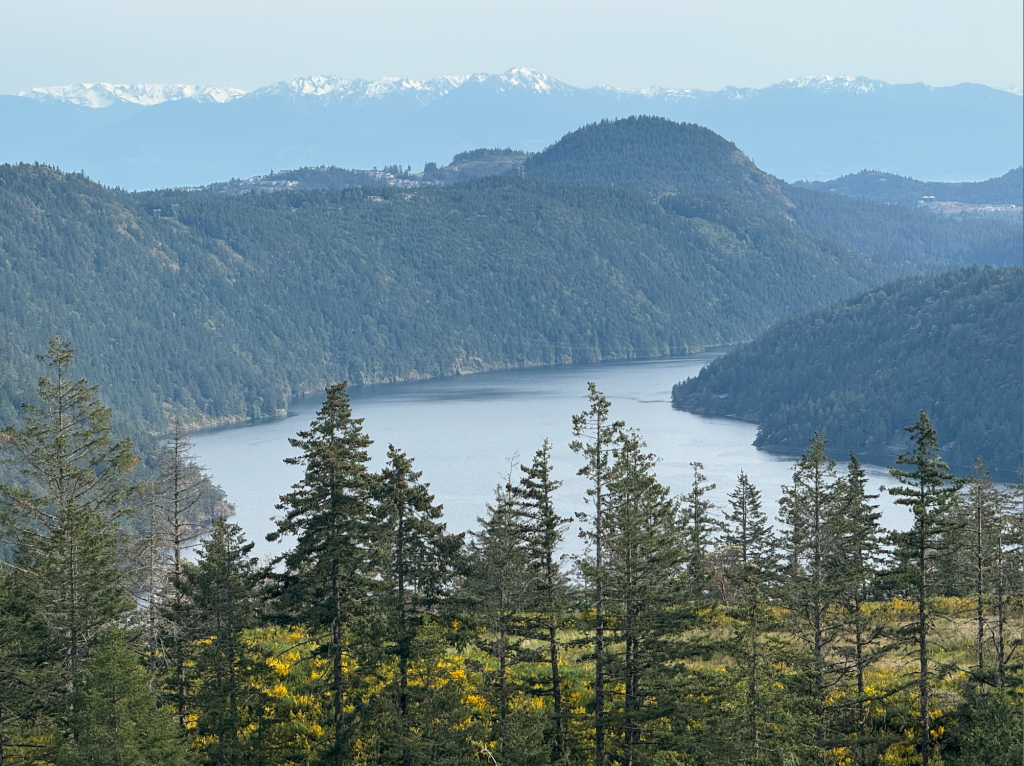
Nanaimo doesn’t perform itself for visitors the way Victoria does. It doesn’t arrange its beauty neatly. It reveals it slowly — in forest trails that begin unassumingly and end at breathtaking viewpoints, in working harbours rather than postcard marinas, in neighbourhoods where people still borrow tools and watch out for one another.
Our neighbours are helpful in the way that matters: not performative kindness, but practical care. Checking in after storms. Sharing knowledge about the land. Offering quiet reassurance when something breaks or fails — which, on acreage, it often does.
There’s humility in this town. A sense that things are still being figured out.
And perhaps that’s why it feels honest.
Becoming Part of the Ecosystem
After two years, I’ve stopped expecting Nanaimo to become something else. I’ve stopped asking it to be more like Victoria, more polished, more complete.
Instead, I’m learning to belong to it.
To notice how the light shifts across the water in late afternoon.
To recognise which birds signal coming weather.
To understand that thriving isn’t loud — it’s persistent.
Living here has softened my need for certainty. It has sharpened my attention. It has reminded me that life — human and non‑human alike — unfolds in seasons, not headlines.
And so my inner naturalist continues to develop, not because I set out to study nature, but because nature insisted I slow down enough to listen.
Nanaimo may not yet be thriving in the ways cities are measured. But it is alive. And after two years on this rock, with the wind and the birds and the neighbours who quietly show up — I am, too.