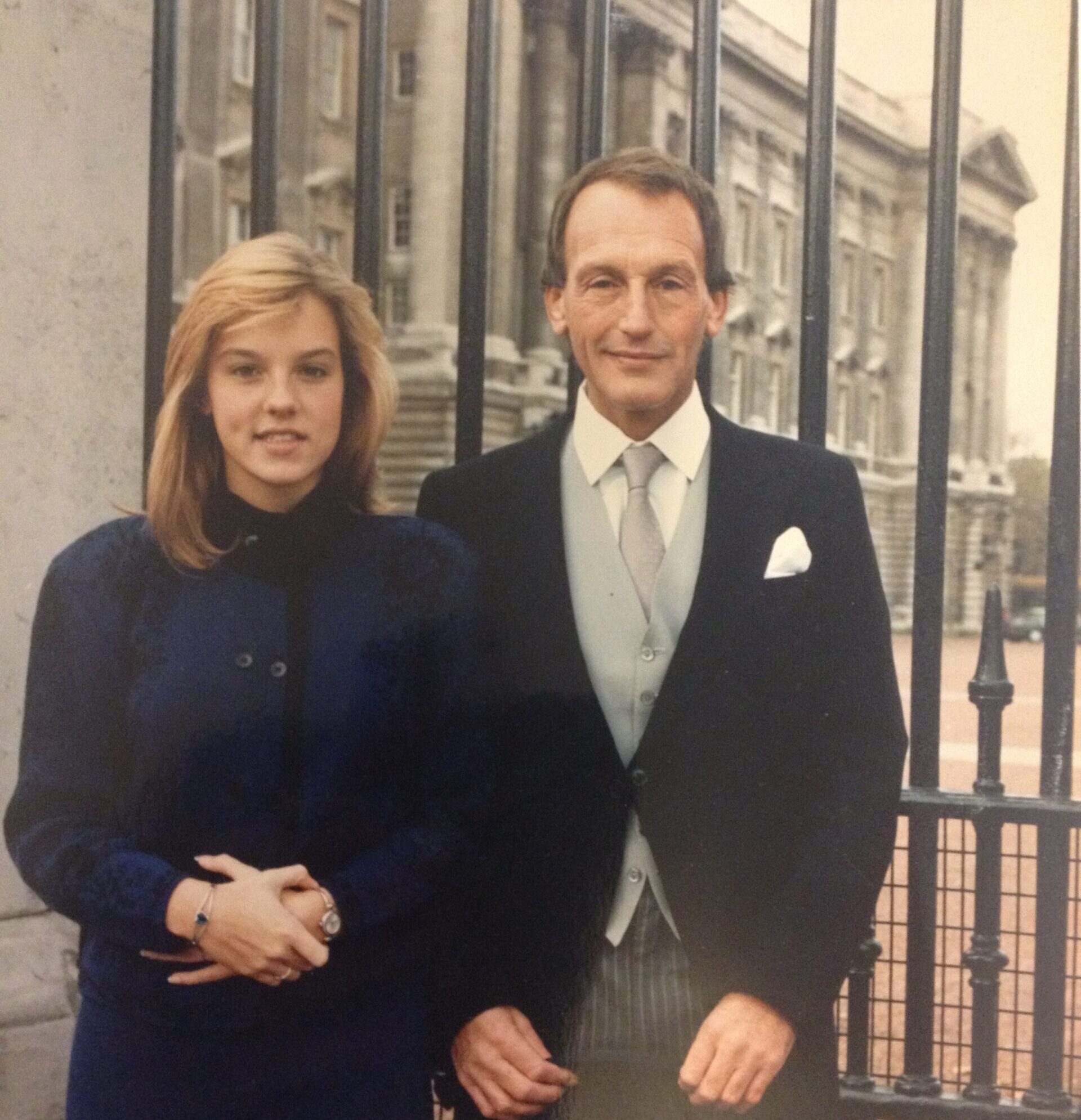
One evening at the Maasai Mara National Reserve, while sitting around the campfire and watching the wildlife, Dad tried to tell us what he did for a living. After a rather circuitous explanation, which was more confusing than enlightening, I interrupted him and said: “Oh, you mean you are like James Bond!”
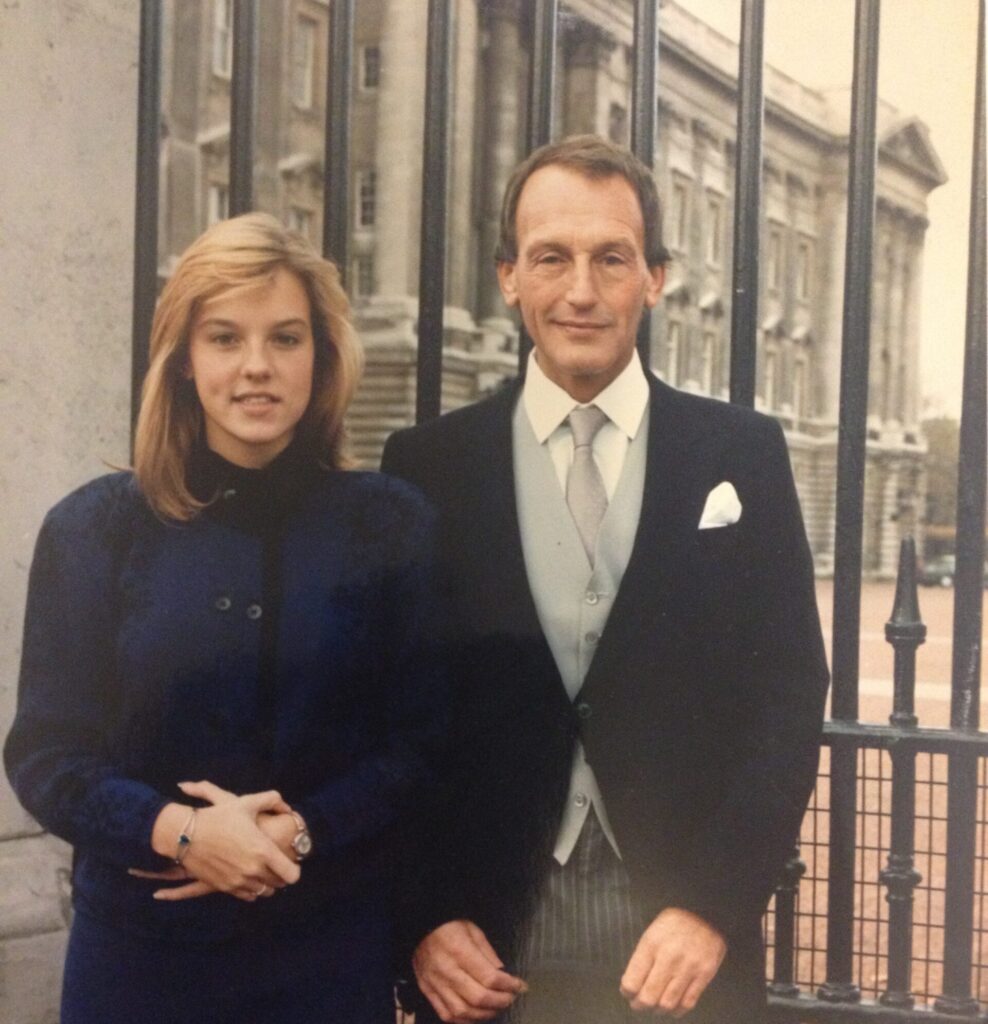
Roger Horrell
Saturday June 12 2021, 12.01am BST, The Times

The success of the 1979 Lancaster House conference, which transferred power from Ian Smith’s white government in Rhodesia to the black government of the newly named Zimbabwe, was largely thanks to months of secret and unacknowledged work by a British MI6 officer.
Stationed in neighbouring Zambia, Roger Horrell drew on years of experience in Africa to cultivate contacts with all the exiles and insurgents competing for power during the guerrilla war in Rhodesia, and was able to report directly to the British government on how Lord Carrington, then the foreign secretary, should best handle the factions.
Lusaka was a key posting for British intelligence agents at that time. For more than a decade Rhodesia had thwarted all British attempts to end its unilateral independence, either by sanctions or by diplomacy. The guerrilla war was meanwhile getting more brutal and African impatience with Britain was growing.
Horrell was well placed to help. He first made his lifelong links with Africa during National Service, when he served with the Devonshire Regiment in Kenya fighting Mau Mau insurgents during the emergency. Despite the danger and the political animosities towards Britain, he fell in love with the country and developed an affection and respect for its people. On leaving the army, he applied to join the Colonial Service, and in 1959 was posted back to Kenya as a district officer. It was a job that demanded tact and skill as he prepared local chiefs for the country’s independence.
At times his Christian beliefs and principles got him into trouble, especially when, at the urging of a Canadian woman, he condemned witchcraft at a tribal meeting. The result was a threatened riot called to discuss tax collection, defused only when the British commissioner assured them that witchcraft would not be discouraged. On another occasion, in his capacity as a magistrate, he had to apply to the High Court in Nairobi to annul his own ruling on a presumed watering-down of cows’ milk after it was proven that the cow itself was responsible.
As a colonial officer he was responsible for everything from school buildings to land disputes, and he was frequently criticised by white settlers for focusing too much on the wellbeing of the Africans.
In Kenya he played for a rugby team and on one occasion, after drinking a lot more than was wise, took a break for sleep on the drive home. He was awakened to find three buffalos attempting to overturn the car. Though hungover he had the presence of mind to turn on the engine, which frightened the buffalos away.
On the country’s independence he left the Colonial Service and was swiftly recruited into the Secret Intelligence Service, better known as MI6. He served first in Dubai, then part of the Trucial States administered by Britain, where President Nasser of Egypt was intent on subverting British influence. Part of Horrell’s job was to dissuade Saudi Arabia from annexing the Buraimi oasis, an oil-rich area of contention with Oman and the Trucial States as well.
His next posting was back to Africa, first to Kampala and then to Lusaka. He cultivated Joshua Nkomo, then the leading exiled activist, establishing cordial relations despite Nkomo’s anger at Britain for what he saw as its support for Ian Smith. Horrell played a key role in the agenda of the Commonwealth conference in Lusaka, where Margaret Thatcher, under pressure from the African members, agreed to host a conference in London to end the war and hold elections in Rhodesia. Nkomo was from the minority Ndebele people. Horrell’s contacts were not so close with the Shona majority, which subsequently voted convincingly for Robert Mugabe to lead Zimbabwe.

Rhodesia proved the use of good intelligence on Africa. Horrell returned in 1980 to London, where he was deployed to forge early contacts with the African National Congress in exile as Britain manoeuvred to persuade South Africa to abandon apartheid. Again, his range of contacts allowed Britain to sound out opinion beyond just the ANC. Lord Renwick, the British ambassador in Pretoria during those crucial years, paid tribute to Horrell’s help behind the scenes.
Little in Horrell’s background prepared him for Africa. The son of a butcher from Dartmouth, he was born in 1935 and early on was witness to the effects of war. French and Belgian refugees arrived in the town in 1940, and in 1943 the Luftwaffe raided Dartmouth and strafed the sea front. Horrell narrowly escaped death as he was playing with a friend on the front at the time. He was educated at Shebbear College, a private boarding school, where he did well academically and was a keen sportsman.
His father, who unusually knew Latin and spoke French, helped to tutor him for university entrance and he won a place at Exeter College, Oxford, to read history, where he also captained the college rugby and cricket teams. During National Service he received the sword of honour from Princess Margaret, before joining the Devonshire Regiment in Kenya.

Horrell was described as “totally loyal to country and friends”
After Lusaka, Horrell spent the rest of his career at MI6 headquarters in London. In 1970 he had married Patricia Binns and they had a daughter, Melissa, and a son, Oliver. The couple separated in 1975. When Melissa and Oliver were about 16 and 17, Horrell took them to Kenya. One evening at the Maasai Mara National Reserve, while they were watching the wildlife, he tried to tell them what he did for a living, without mentioning the word “spy”. After a rather circuitous explanation, which Melissa remembered being more confusing than enlightening, she interrupted him and said: “Oh, you mean you are like James Bond.”
At MI6 Horrell was moved from the Africa desk to become head of personnel and administration. It was a challenging time for the service, just emerging from the shadows. It was recovering from the earlier betrayals of the Philby era and had developed a certain buccaneering ethos. At the same time the Major government decided to put the Secret Intelligence Service (SIS) on a statutory basis, with parliamentary oversight, a transparent budget and a head who was publicly named.
Horrell’s job was to modernise the culture and move the right people to the right places. He did so with tact and diplomacy. He had a natural reserve and did not open up easily but he took real interest in the personal lives of MI6 staff and was helpful and sympathetic if anyone had personal or family difficulties. “He was a formidable figure,” a colleague recalled. “He was a fairly private man and was not the life and soul of a party. But to those few who knew him well, he was a very good friend.” Another recalled that he was “totally loyal to country and to friends, a quiet, reflective fellow, not one for fanfare; a lover of humankind in its entirety and with an endearing, self-deprecating sense of humour.”
He rose to a senior position in MI6 and at one point was in the running to be appointed the head, or “C” as the post is known. He was disappointed not to be chosen.
Emphysema, brought on by smoking, eventually took its toll. He is survived by his former wife, who is professor of history at the University of Minnesota, Twin Cities, and by Melissa, the founder and owner of a wellness centre in Vancouver, Canada. Oliver predeceased him.
In retirement Horrell pursued his passion for bridge, which he played regularly and with skill. He played often at the Reform and the Garrick clubs in London, and a friend noted that at these gatherings “the food, wine and conversation were at least as, if not more important than, the cards”.
Roger Horrell CMG OBE, MI6 officer, was born on July 9, 1935. He died of emphysema on May 21, 2021, aged 85
———
Roger Horrell, obituary ByTelegraph Obituaries Diplomat who helped to transfer power in Rhodesia and was later a senior figure at MI6 –
He was an SIS officer in Lusaka when the city was the centre of resistance to the Smith regime, and also forged good relations with the ANC
Roger Horrell in Africa: he had grown to love the continent during National Service in Kenya Roger Horrell, who has died aged 85, was a senior MI6 officer who contributed significantly to the transfer of power from the white Rhodesian government to the black government of the newly independent Zimbabwe, culminating in the Lancaster House conference of 1979.
Africa became part of Horrell’s life during National Service with the Devonshire Regiment at the time of the Mau Mau Emergency in Kenya.
He fell in love with the country and developed an affection and respect for Africans. After leaving the army he joined the Colonial Service and in 1959 was posted back to Kenya as a District Officer. He served there until independence, winning the co-operation of often fiercely independent local chiefs through persuasion and subtlety.
On one occasion, however, he allowed himself to be influenced by a well-meaning Canadian woman into condemning witchcraft at a tribal meeting. The result was mass defiance and a threatened riot, averted only by his promise to produce the District Commissioner promptly. The Commissioner, a devout Christian, wisely reassured the tribal chieftains that witchcraft would not be discouraged.
When Horrell handed over to his African successor his final report vividly illustrated the responsibilities of often youthful colonial officers – grazing schemes, irrigation, famine relief, elections, administration of justice, school building, encouraging school attendance, trade, sanitation, resolving land disputes, maintaining war graves, etc.
A constant problem, he said later, was dealing with criticism from some of the white settlers for focusing too much on the well-being of Africans. On leaving the Colonial Service Horrell was recruited by the Secret Intelligence Service (SIS, or MI6).
After training he was posted to Dubai, then a British Protectorate, but his African experience was required and he was subsequently posted to Kampala, then, from 1976 to 1980, to Lusaka. Zambia was at the time home to militant refugees from the rebel Smith regime in Rhodesia, turning Lusaka into the centre of political resistance.
Horrell is given the Sword of Honour by Princess Margaret at his passing-out parade Ever since Smith’s illegal declaration of independence in 1965 the issue of Rhodesia had made for strained and fractious relations between Britain and much of the Third World.
Lusaka became a focal point for British diplomacy in Africa and heading the MI6 station there was a key posting.
Horrell made it his business to establish contacts with Rhodesian exiles of all tribes, shades and factions, getting to know them well and, in almost all cases, winning their confidence.
When Margaret Thatcher and Lord Carrington convened the Lancaster House conference in 1979 to negotiate the handover to majority rule in the new Zimbabwe, Horrell’s work in winning the trust of the competing parties – and the intelligence he produced for the conveners – proved crucial. Following Lusaka, Horrell spent the rest of his career in London.
Given charge of MI6’s African operations, he immediately faced a range of problems, from entrenched military rule in Nigeria, through two insurgent wars in Angola and Mozambique, to maintaining stability in Zimbabwe, tackling the corrupt diversion of aid funds in various Commonwealth states, and finally to the process of change in South Africa.
He did much to improve the British government’s understanding and acceptance of the key players in South Africa, deepening MI6’s already well-established relationship with the ANC. This proved essential in supporting peaceful transition to majority rule.
Horrell was next appointed MI6’s director of personnel and administration with a mandate to increase accountability and encourage a more self-critical culture, complementing the buccaneering ethos which, though responsible for many successes, needed modernising. Although not universally welcomed at the time, this was later acknowledged to have improved both performance and accountability.
It was also at this time that the Major government publicly acknowledged the existence of MI6, leading to its establishment by statute and to Parliamentary oversight. In dealing with personnel matters, Horrell demonstrated a well-developed sense of fairness based on firm liberal foundations, displaying sympathy and support for colleagues going through a wide range of personal and relationship issues.
That he was not chosen to become C – as the Chief of SIS is traditionally known – was a disappointment to many who had worked with him. It was felt at the time in Whitehall that there was need to bring on a new and younger generation of senior leaders, and so Horrell and most of his peers duly retired. Roger Horrell was born on July 9 1935 at Dartmouth, the son of a butcher.
Unusually, his father had knowledge of Latin and spoke French, a useful attribute when French and Belgian refugees arrived in the town in 1940. In February 1943 the German Luftwaffe raided Dartmouth and strafed the sea front, where young Roger was playing with a friend, narrowly missing them.
He attended Shebbear College, a private boarding school, where he excelled academically and in sport, playing rugby for Devon Schoolboys. He also had a talent for acting. During his National Service he was Senior Under Officer at his Eaton Hall passing-out parade, receiving the Sword of Honour from Princess Margaret.
Following National Service, and with effective Latin tutoring from his father, he was accepted by Exeter College, Oxford, to read Modern History. He captained the college’s rugby and cricket teams.
Horrell was appointed OBE in 1974 and CMG in 1988. His retirement was dogged by failing eyesight and worsening emphysema but he remained mentally active as an astute and talented bridge enthusiast, playing regularly at the Reform and Garrick clubs. In 1970 he married Patricia Binns, with whom he had a daughter, and a son who predeceased him. He and his wife separated in 1975. Patricia and their daughter, Melissa, survive him.
Roger Horrell, born July 9 1935, died May 21 2021