One evening, when I was 16, at the Maasai Mara National Reserve, in Kenya, sitting around a campfire with the wildlife moving somewhere beyond the darkness, my father tried to explain to my brother and me what he actually did for a living.
He gave us a rather circuitous explanation.
It involved governments, diplomacy, Africa and people whose names we weren’t supposed to know.
I listened for a while.
Then I interrupted.
“Oh,” I said. “You mean you are like James Bond!”
My father laughed.
He didn’t correct me.
The Man Behind the Mystery
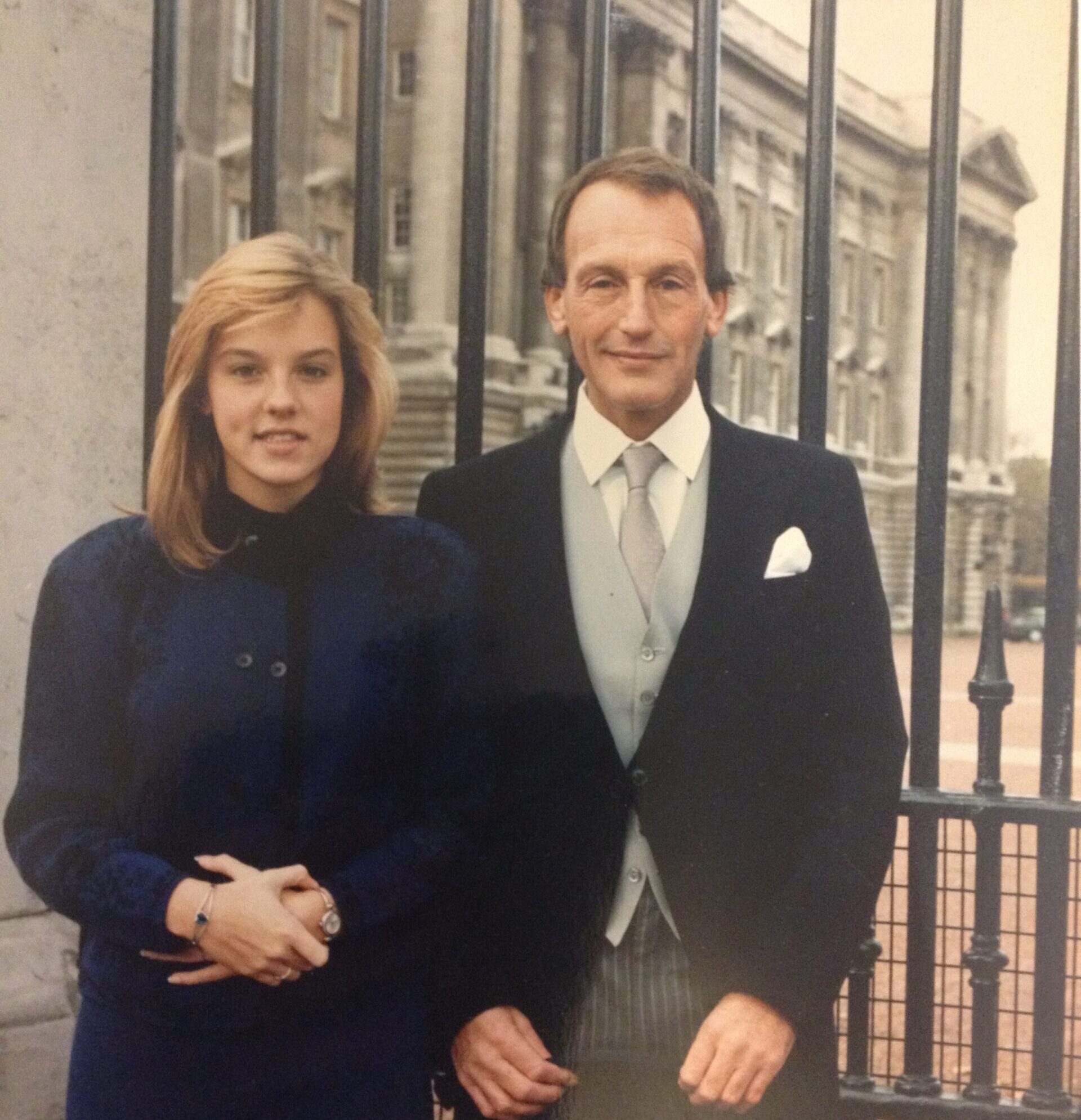
My father, Roger Horrell, was an MI6 officer.
For much of my childhood, I didn’t really understand what that meant.
There were no dramatic Bond-style gadgets or Aston Martins. No tuxedos. No glamorous women.
There was simply my father — quiet, private, rather reserved, with a dry sense of humour and an extraordinary ability to make people feel that they could trust him.
He was born in Dartmouth in 1935, the son of a butcher. He grew up during the war, narrowly escaping being caught in a Luftwaffe attack on the town when he was a boy.
He went to Oxford, captained rugby and cricket teams, served in the British Army and eventually found his way to Africa.
And Africa changed him.
During National Service, he was posted to Kenya during the Mau Mau Emergency. He fell in love with the country and developed a deep affection for the continent and its people.
After leaving the army, he joined the Colonial Service and returned to Kenya as a District Officer.
It was there that he began learning something that would define much of his career:
how to build relationships across profound differences.
He worked with local chiefs, dealt with land disputes, schools, famine relief, irrigation, sanitation and justice. He learned to navigate cultures and politics, often in circumstances where a careless word could have consequences.
He also got himself into trouble.
On one occasion, after being persuaded by a well-meaning Canadian woman to condemn witchcraft at a tribal meeting, he inadvertently helped provoke a threatened riot.
Another time, after a rugby match and rather too much to drink, he stopped the car for a sleep on the journey home.
He woke to find three buffalo trying to overturn it.
Apparently even my father wasn’t entirely sure what to do with that situation.
Africa Was His Place
Eventually, he was recruited into the Secret Intelligence Service.
His postings took him to Dubai, Kampala and Lusaka.
In Zambia, he became deeply involved in the political situation surrounding Rhodesia and the struggle that would eventually lead to the creation of Zimbabwe.
He cultivated relationships with people across the political spectrum, including Joshua Nkomo and others involved in the struggle for independence.
Much of his work was invisible.
That was the point.
He gathered information. He listened. He developed relationships. He tried to understand what different people wanted and, perhaps most importantly, what they were afraid of.
His work helped inform British diplomacy during the negotiations that culminated in the Lancaster House conference in London in 1979 and the transition to majority rule in Zimbabwe.
Later, he worked on Britain’s relationship with South Africa and the African National Congress during the years leading towards the end of apartheid.
When I read his obituary after he died in 2021, I discovered just how much of his life I hadn’t known.
That is one of the strange things about having a father who worked in intelligence.
There are stories you don’t hear until much later.
From Intelligence to Leadership
After his years working in Africa, my father returned to London, where his career took an unexpected turn.
He was appointed Director of Personnel and Administration at MI6.
It was a very different kind of challenge.
The service was changing. MI6 was emerging from decades of secrecy and beginning to face greater expectations around accountability, transparency and professional management. My father’s role was to help modernize the organization from within — to put the right people in the right places and to create a more thoughtful, accountable culture.
It seems particularly fitting to me that a man whose career had been built on understanding people should eventually find himself responsible for the people within the organization itself.
He took a genuine interest in the lives of his colleagues. He was known for being fair, discreet and sympathetic when people were dealing with personal or family difficulties.
He was not a flamboyant man. He didn’t seek attention.
But he understood people.
And perhaps that was his greatest strength.
He eventually rose to a senior position within the service and was considered for its highest role — Chief of MI6, known as “C”.
He wasn’t chosen.
I’m sure that disappointed him.
But when I read the accounts of his colleagues after his death, what struck me most wasn’t that he had almost become the head of Britain’s secret intelligence service.
It was what they remembered about him.
His loyalty.
His fairness.
His quietness.
His friendship.
His ability to make people feel supported.
For someone who spent much of his career operating behind the scenes, perhaps that was the most fitting legacy of all.
The Africa I Inherited
Africa was never simply somewhere my father had worked.
It became part of the fabric of our family.
Some of my earliest memories are connected to the continent.
The landscapes.
The heat.
The wildlife.
The extraordinary mixture of cultures and languages.
And that feeling of being somewhere completely different from anywhere else in the world.
When my father took my brother and me to Kenya when we were teenagers, we spent time in the Maasai Mara together.
That evening around the campfire, when he finally tried to explain his work, I remember the conversation more than I remember the details.
Perhaps because, at that age, I couldn’t possibly have understood the complexity of his life.
I only knew that my father seemed to belong to a world much larger than the one I could see.
And perhaps that was the beginning of something in me.
A Life Without Borders
I’ve lived in eight countries.
I’ve travelled through dozens more.
I’ve often wondered where that restlessness came from.
Some people need roots.
For much of my life, I thought my constant curiosity was simply part of my personality. I’ve always been an explorer at heart — drawn to unfamiliar places, different cultures and the possibility of discovering something beyond what I already know.
But perhaps some of it was inherited.
Not genetically, necessarily.
Through stories.
Through exposure.
Through watching a man who never seemed particularly interested in staying inside the boundaries of the familiar.
My father taught me, without ever really teaching me, that the world was bigger than the place you were born.
That people were complicated.
That relationships mattered.
That listening could be more powerful than speaking.
And that you could enter an unfamiliar place without needing to immediately understand it.
What Remains
My father died in May 2021.
By then, MI6 was no longer the mysterious organization it had been when I was growing up. Much of his career had become part of the public record.
I could finally read about the things he had done.
And I found myself looking at him differently.
Not because he had been a spy.
But because I began to understand the qualities behind the career.
Curiosity.
Diplomacy.
Discretion.
Loyalty.
An ability to sit with uncertainty.
A willingness to enter complicated situations and try to understand the people within them.
Those qualities have stayed with me.
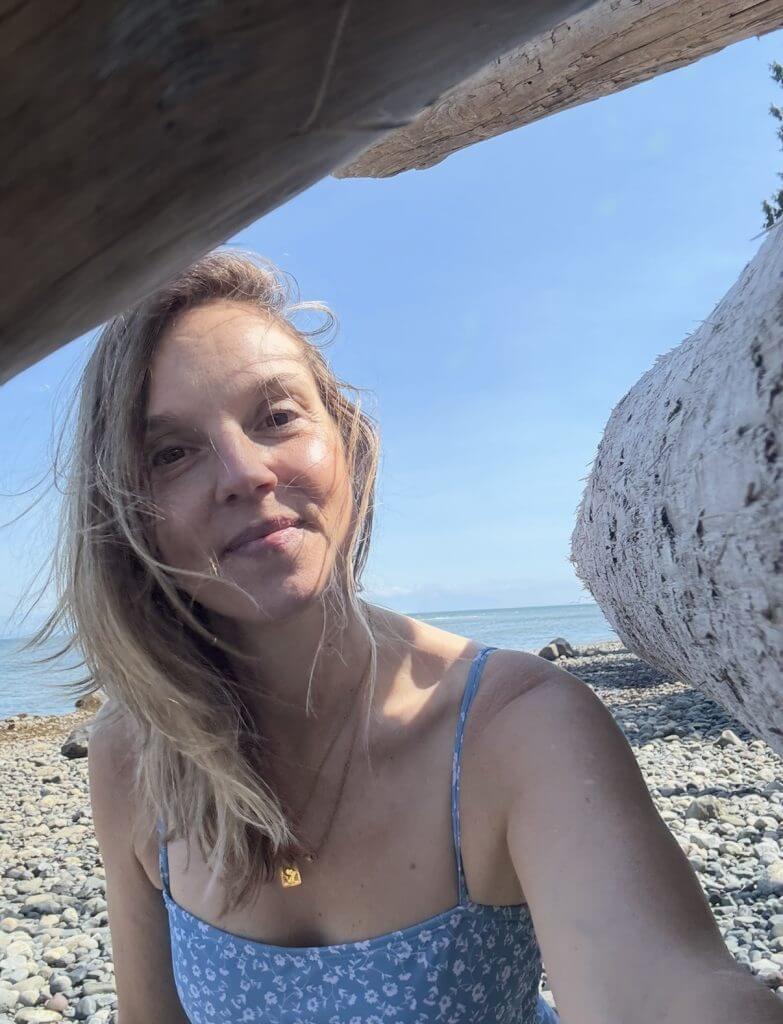
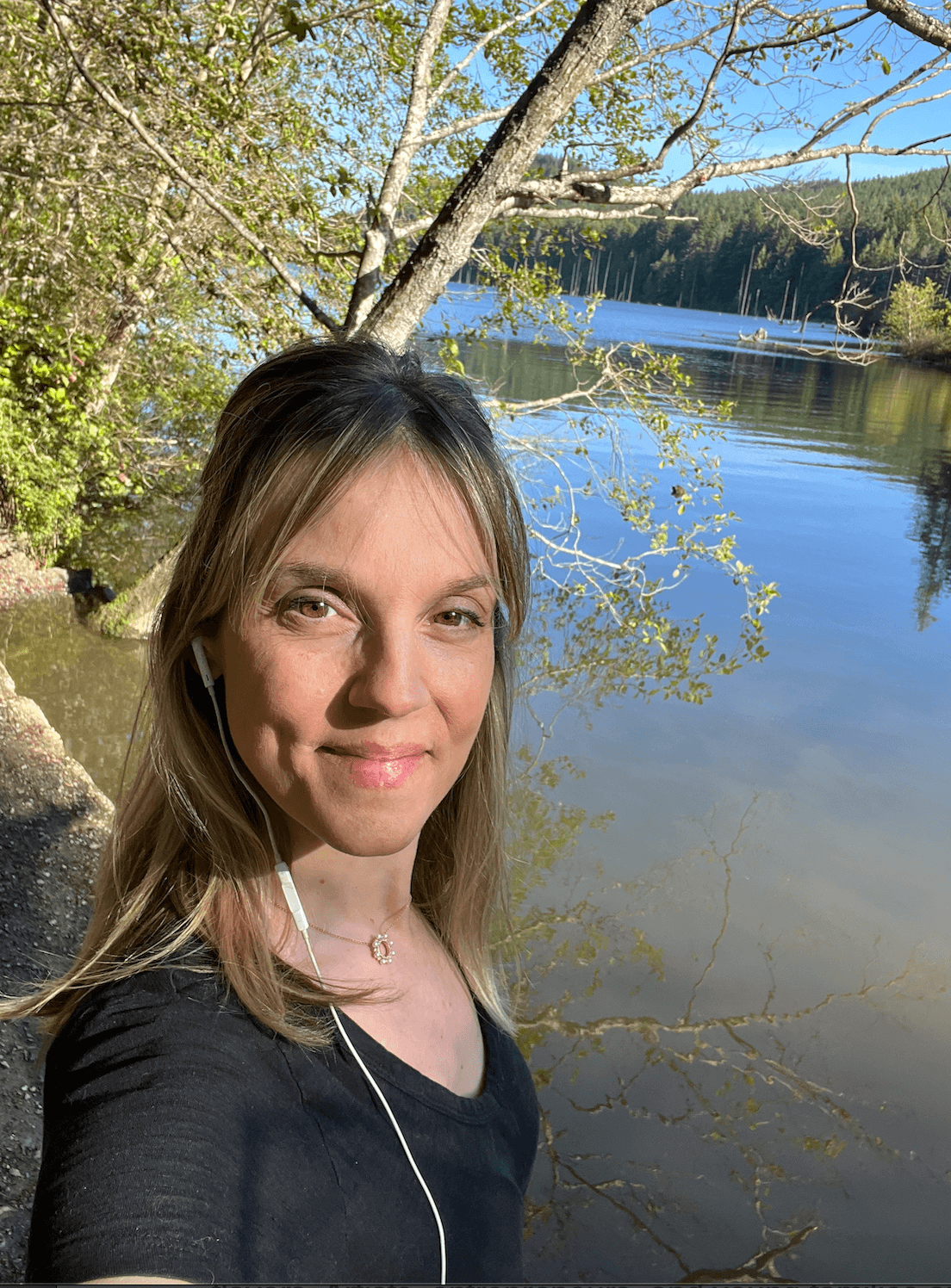
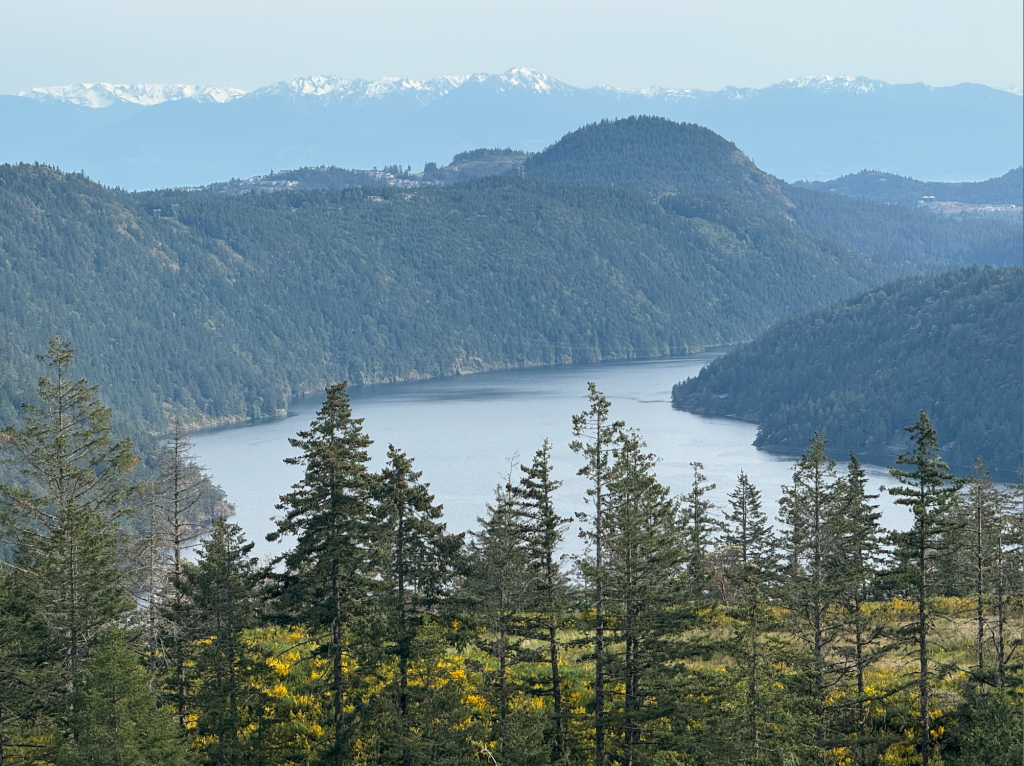
Today, I live on Vancouver Island.
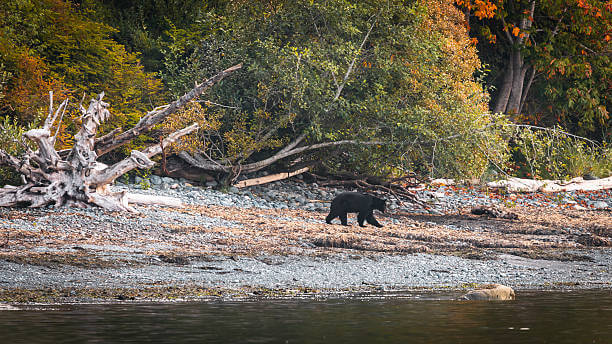
It is a very different world from the Africa of my childhood and my father’s career. But there is something about living here that feels strangely familiar.
The wilderness.
The sense of being close to something larger than yourself.
The feeling that landscape can shape you.
I spend a lot of time exploring this island now — its forests, coastlines, communities and hidden places.
And I realize that perhaps I’ve been doing the same thing my whole life.
Looking.
Listening.
Crossing borders.
Trying to understand a place by getting close enough to feel it.
My father spent his life moving through complicated places and trying to understand the people within them.
I suppose I inherited something of that instinct.
Although, unlike him, I don’t have to keep any of it secret.
And I still think he was a little bit like James Bond.