There is a quiet truth that reveals itself when you live close to nature: the Earth doesn’t belong to us; we belong to her.
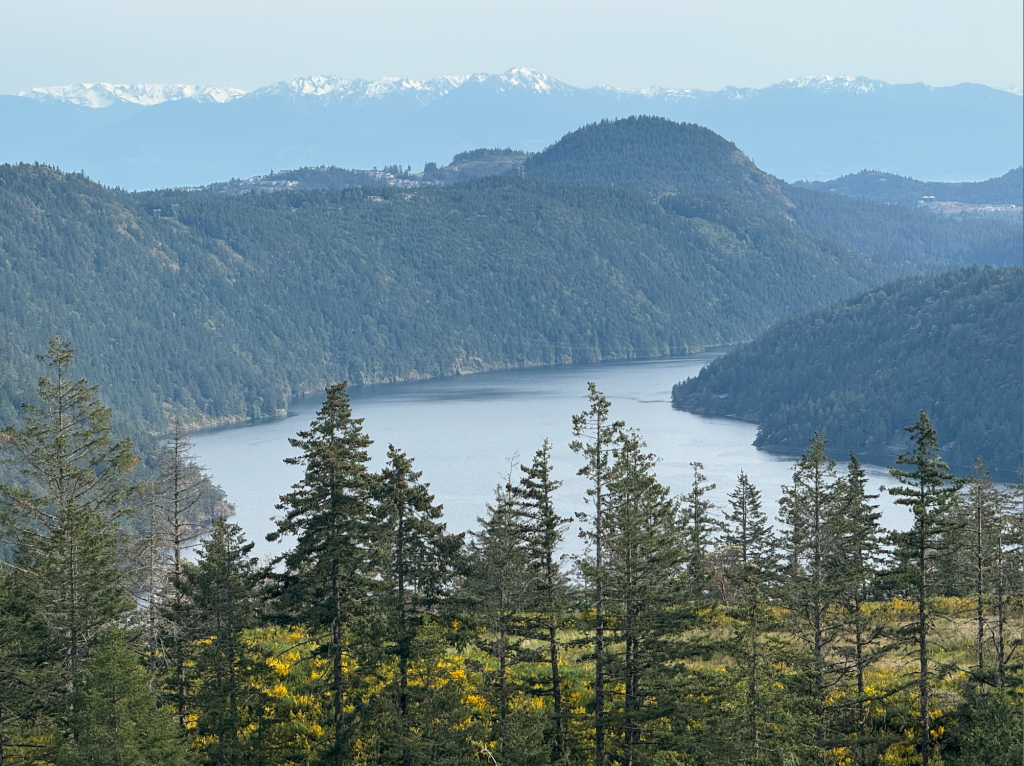
You feel it here on Vancouver Island.
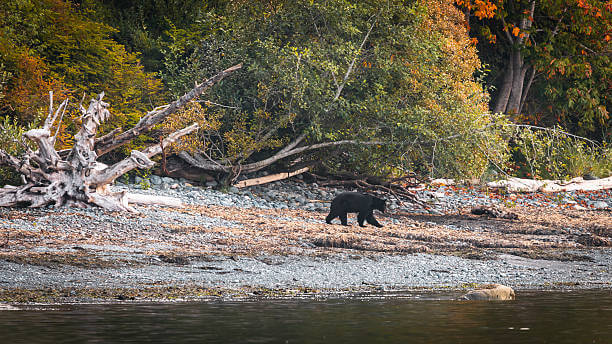
In the rhythm of the tides along the Nanaimo coast. In the ancient cedars and moss-covered forests. In the call of a raven moving through the trees. In the way the weather can change the entire character of a landscape within an hour.
Living here has made me think differently about sustainability.
It is easy to reduce sustainability to recycling bins, reusable coffee cups and the choices we make at the grocery store. Those things matter, but I have come to believe that stewardship begins somewhere deeper.
It begins with relationship.
How do we inhabit a place? How do we consume from it? How do we care for it? And perhaps most importantly, do we feel connected enough to protect it?
The Island as Teacher
When I moved to Vancouver Island, I began to understand what it means to live in closer rhythm with the natural world.
The ocean has its own intelligence. The tides arrive and retreat whether we are paying attention or not. The forests operate on a timescale almost impossible for us to comprehend. Fallen trees become habitats. Decay becomes nourishment. Moss covers what was once solid and permanent.
The landscape constantly reminds us that nothing exists in isolation.
This has changed the way I think about stewardship.
We cannot protect what we don’t feel connected to.
And connection requires attention.
It means noticing the season. Learning the names of the trees around us. Understanding where our food comes from. Knowing whose land we are living on. Supporting the people who are working to protect the ecosystems and communities that make this place so extraordinary.
Sustainability becomes less about being perfect and more about becoming conscious.
The Spiritual Roots of Stewardship
There is also something deeply spiritual about the idea of living gently on the Earth.
In yogic and Buddhist philosophy, ahimsa — often translated as non-harming — asks us to consider the impact of our actions beyond ourselves. It invites a way of living that is more conscious, compassionate and respectful of other forms of life.
For me, that idea connects naturally with stewardship.
A conscious purchase. A meal made from local ingredients. Choosing something handmade rather than mass-produced. Repairing something instead of replacing it. Walking rather than driving when we can. Supporting a local farmer, artisan or conservation organization.
None of these actions will save the planet on their own.
But they cultivate something important: a relationship with place.
And relationships change how we behave.
Hospitality That Respects the Land
This is something I think about deeply in creating experiences at Vancouver Island Retreat.
When you invite people into a beautiful natural environment, there is a responsibility that comes with it.
The goal shouldn’t simply be to consume the beauty of a place. It should be to experience it with respect.
That might mean encouraging guests to explore local trails responsibly, supporting independent businesses and artisans, choosing local food where possible, reducing unnecessary waste, or simply creating space for people to slow down enough to notice where they are.
There is something powerful about waking up surrounded by trees and ocean and realizing that wellness doesn’t exist separately from the natural world.
We are part of the same ecosystem. Our wellbeing is connected to the quality of the air we breathe, the water we drink, the food we grow and the landscapes we protect.
Wellness is ecological.
Stewardship Is a Community Practice
The more I explore Vancouver Island, the more I see stewardship as something that happens through community.
It is the farmer caring for the soil.
The local maker choosing thoughtful materials.
The conservationist protecting habitat.
The volunteer restoring a shoreline.
The Indigenous knowledge keeper carrying knowledge of this land through generations.
The small business owner choosing local suppliers.
The resident who picks up a piece of plastic while walking the beach because they know it doesn’t belong there.
These actions rarely make headlines.
But collectively, they shape the places we call home.
And that is something worth celebrating.
Because sustainability doesn’t have to feel like deprivation or sacrifice. It can be a way of creating richer, more connected communities — ones that value local knowledge, craftsmanship, food, nature and the people who care for them.
We Don’t Have to Be Perfect
Perhaps the most important thing I have learned is that stewardship isn’t about perfection.
It is about returning.
Returning to awareness.
Returning to balance.
Returning to the question: What is my relationship with this place?
We can compost. We can reuse. We can grow something. We can buy less. We can choose local. We can walk a trail without leaving anything behind. We can learn about the ecosystems around us. We can support the organizations and people doing the difficult work of conservation.
Small actions matter.
But perhaps the bigger shift is internal.
When you begin to see yourself not as separate from nature but as part of it, your choices start to change.
The ocean doesn’t need us to admire it on Instagram.
The forest doesn’t need us to photograph it.
They need us to understand that they are living systems — and that our future is intertwined with theirs.
Living Here, Caring Forward
We love the wilderness of British Columbia, and we want to continue sharing its magic with people for generations to come.
That means treating this place not simply as a destination, but as a home.
A home we are fortunate enough to inhabit.
A home worth protecting.
A home whose beauty comes with responsibility.
For us, sustainability is ultimately about that relationship — between people and place, between wellbeing and ecology, between what we take and what we give back.
Because stewardship is love in action.
And on an island surrounded by sea, cedar and sky, that love can feel as natural as breathing.