Vancouver Island Travel Guide: Quick Overview
Melissa’s Island TipVancouver Island is larger than many visitors expect. Instead of trying to see everything, choose a region and experience it deeply. The most memorable moments often happen when you leave room for discovery — a conversation with a local, an unexpected viewpoint, or a quiet morning surrounded by nature. | |
|---|---|
| Best time to visit | May to October for outdoor adventures; September and October for quieter experiences and beautiful fall landscapes |
| How long to stay | 5–7 days for a first visit; 10+ days to explore multiple regions |
| Getting there | Ferry from Vancouver, Washington State, or flights into Victoria, Nanaimo, and Comox |
| Best way to explore | A rental car gives you the freedom to discover beaches, forests, small communities, and hidden gems |
| Top regions to visit | Victoria, Nanaimo & Central Island, Tofino & the West Coast, North Vancouver Island |
| Best for | Nature lovers, adventure seekers, foodies, wellness travellers, and those looking to slow down |
| Don’t miss | Coastal walks, old-growth forests, local markets, ocean experiences, and conversations with island locals |
The Ultimate Vancouver Island Travel Guide: Everything You Need to Know Before You Visit
This Vancouver Island travel guide will help you discover the landscapes, communities, and experiences that make this island one of Canada’s most unforgettable destinations.
Vancouver Island is a place that stays with people. Many visitors arrive expecting dramatic coastlines, ancient forests, and beautiful beaches. They discover something more: an island shaped by nature, community, creativity, and a slower way of living.
Vancouver Island is a place that stays with people.
Many visitors arrive expecting dramatic coastlines, ancient forests, and beautiful beaches. They discover something more: an island shaped by nature, community, creativity, and a slower way of living.
After moving to Vancouver Island, I quickly realised that the magic of this place is not only found in the famous destinations. It is found in the quiet moments — a morning coffee overlooking the ocean, a conversation with a local business owner, a walk through a forest where the only sound is the wind moving through the trees.
Vancouver Island is not a place to rush through. It is a place to experience.
This guide will help you understand the island before you visit, including the best places to explore, when to come, how to get around, where to stay, and the experiences that will help you connect with the true character of Vancouver Island.
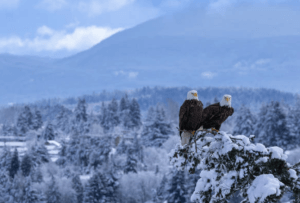
Why Visit Vancouver Island?
Located off the west coast of British Columbia, Vancouver Island offers one of the most diverse travel experiences in Canada. Within a relatively small area, visitors can experience ocean landscapes, temperate rainforests, mountain adventures, charming communities, and a thriving food and wellness culture.
The island attracts many different types of travellers.
Adventure seekers come for hiking, kayaking, surfing, mountain biking, and wildlife experiences.
Nature lovers come for the forests, beaches, and incredible coastal scenery.
Wellness travellers come for the opportunity to slow down, reconnect with nature, and create space away from busy everyday life.
Food lovers discover local farms, seafood, wineries, breweries, and passionate makers who bring the island’s flavours to life.
However, what makes Vancouver Island truly special is not only what you can do here. It is the feeling the island creates.
There is a sense of space.
A sense of connection.
A reminder that life does not always need to move at full speed.
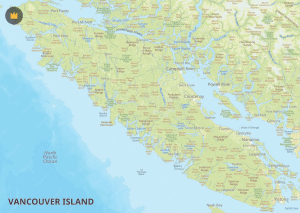
Understanding Vancouver Island: It Is Bigger Than You Think
One of the first things visitors discover is that Vancouver Island is much larger than it appears on a map.
The island stretches approximately 460 kilometres from Victoria in the south to Cape Scott in the north. Because of its size, travelling between regions can take longer than expected, especially on winding coastal roads.
Rather than trying to see everything, it is often better to choose a region and experience it deeply.
Victoria and the South Island
The southern part of Vancouver Island is home to British Columbia’s capital city, Victoria.
This area offers:
* historic neighbourhoods
* beautiful gardens
* waterfront walks
* museums and galleries
* restaurants and cafés
* easy access to nature
Victoria is a wonderful starting point for visitors who want a combination of culture, history, and outdoor experiences.
Nanaimo and Central Vancouver Island
Located on the east coast of the island, Nanaimo is often called the gateway to Vancouver Island.
The central region offers:
* mountain views
* waterfalls
* beaches
* hiking trails
* local markets
* easy access to outdoor adventures
This is also where you begin to experience a quieter island rhythm, with communities that are closely connected to the surrounding landscape.
Tofino and the West Coast
The west coast offers a completely different experience.
Here you will find:
* dramatic beaches
* surfing
* storm watching
* old-growth forests
* Indigenous cultural experiences
* some of the island’s most powerful natural landscapes
The west coast feels wild and untamed — a place where nature takes centre stage.
North Vancouver Island
For those seeking wilderness and fewer crowds, the north offers remote beauty.
Visitors come here for:
* wildlife encounters
* fishing
* kayaking
* hiking
* rugged coastal scenery
This region rewards travellers who are willing to slow down and explore.
The Best Time to Visit Vancouver Island
One of the advantages of Vancouver Island is that every season offers something different.
Spring: A Season of Renewal
Spring brings longer days, blooming gardens, fresh greenery, and fewer visitors.
It is an ideal time for:
* hiking
* exploring gardens
* visiting local farms
* enjoying quieter communities
Summer: The Island Comes Alive
Summer is the busiest season on Vancouver Island.
Visitors enjoy:
* beaches
* kayaking
* festivals
* outdoor dining
* camping
* wildlife experiences
Because summer is popular, accommodations often book well in advance.
Fall: A Local Favourite
Many residents consider fall one of the best times to experience the island.
The crowds begin to disappear, forests turn rich with colour, and the coastline becomes a peaceful place for reflection.
Fall is perfect for:
* forest walks
* cozy retreats
* food experiences
* storm watching
Winter: A Time to Slow Down
Winter reveals a quieter side of Vancouver Island.
It is a wonderful season for:
* wellness retreats
* ocean walks
* spa experiences
* reading by the fire
* watching winter storms roll across the coast
How Many Days Do You Need on Vancouver Island?
The answer depends on what you want to experience.
A Weekend Visit
A short trip works well for exploring one area, such as Victoria or Nanaimo.
Five to Seven Days
A week allows you to experience a region more fully without spending your entire trip travelling.
Ten Days or More
A longer visit gives you time to explore multiple areas and discover the slower pace that makes the island special.
The biggest mistake visitors make is trying to do too much.
Vancouver Island rewards curiosity and time.
Leave room for unexpected discoveries.
Getting Around Vancouver Island
A car is the best way to explore Vancouver Island.
While some communities have public transportation options, many of the island’s most memorable experiences are found beyond the main towns.
A few things to know:
* Roads can be slower than expected
* Distances between communities are significant
* Coastal routes are beautiful but often winding
* Weather can change quickly
The journey is part of the experience.
Allow extra time, enjoy the scenery, and resist the temptation to rush from one attraction to the next.
The Best Things to Do on Vancouver Island
The best experiences often depend on what you are seeking.
For Nature Lovers
Explore:
* coastal beaches
* forest trails
* mountain viewpoints
* wildlife experiences
The island’s natural landscapes are one of its greatest gifts.
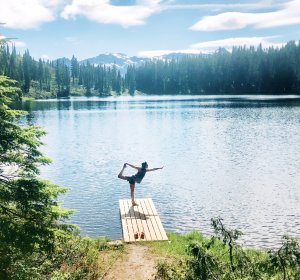
For Wellness Travellers
Create space for:
* forest bathing
* yoga
* spa experiences
* meditation
* retreats
* quiet mornings in nature
Vancouver Island naturally encourages reflection and renewal.
For Food and Culture Lovers
Discover:
* farmers markets
* local producers
* seafood
* wineries
* breweries
* independent restaurants
The island’s food culture is built around connection to the land and sea.
For Adventure Seekers
Try:
* kayaking
* surfing
* hiking
* mountain biking
* sailing
* wildlife tours
Where to Stay on Vancouver Island
The best accommodation depends on the kind of experience you are looking for.
Vancouver Island offers everything from luxury oceanfront resorts and boutique inns to forest cabins, vacation rentals, wellness retreats, and locally owned guesthouses. Whether you’re planning a romantic escape, a family holiday, or a solo adventure, there is an accommodation to suit every style of travel.
For ideas and inspiration, browse accommodations through Destination BC or explore regional tourism websites such as Tourism Vancouver Island and HelloBC.
For many visitors, choosing where to stay is just as important as choosing what to do. A place to stay is not only somewhere to sleep—it becomes part of your experience of the island. The right accommodation can introduce you to local hospitality, connect you with nature, and help you experience Vancouver Island at a slower, more meaningful pace.
Experience Vancouver Island Like a Local
The best memories are often not the ones you plan months in advance.
They are the unexpected moments: a conversation with someone who has lived here for decades, a meal prepared with locally grown ingredients, a quiet walk through an ancient forest, or a sunrise that reminds you to slow down.
One of the best ways to discover the island is by exploring local farmers’ markets, independent cafés, artisan studios, and community events. For inspiration, browse Tourism Vancouver Island, discover seasonal experiences through Destination BC, or learn about authentic cultural experiences with Indigenous Tourism BC.
When you visit Vancouver Island, leave space in your itinerary. The island reveals itself slowly, and its greatest treasures are often the ones you never planned to find.
Travel Responsibly on Vancouver Island
Vancouver Island’s beauty depends on protecting the landscapes, wildlife, and communities that make it such a remarkable place to visit.
As you explore the island, consider:
- Respecting Indigenous territories and learning from authentic cultural experiences through Indigenous Tourism BC.
- Supporting locally owned businesses, restaurants, artisans, and accommodations whenever possible.
- Following responsible wildlife viewing guidelines from BC Parks to help protect the island’s diverse ecosystems.
- Practising the principles of Leave No Trace Canada by leaving natural places as you found them.
Being a visitor means becoming part of the story of a place. By travelling thoughtfully and respectfully, you help preserve Vancouver Island’s landscapes and communities for future generations.
Travel with curiosity.
Travel with respect.
Final Thoughts: Come Curious
Vancouver Island offers something increasingly rare: space.
Space to breathe.
Space to explore.
Space to reconnect.
Whether you come for adventure, wellness, nature, exceptional local food, or simply a change of pace, the island has a way of leaving an impression. To continue planning your journey, explore the travel inspiration and regional experiences available through Destination BC and Tourism Vancouver Island.
Because the most meaningful destinations are not only places we visit.
They are places that change the way we see the world.
Places shape people, and people shape places.